Assouline's New Book Is Dedicated to Beirut
Assouline is adding Beirut to its Classics Collection this August, and the book is called “Beirut Habibi.” The book is written by Charif Majdalani, a Beirut-born novelist.
Majdalani isn’t a name Assouline borrowed for credibility points. He’s a Goncourt-shortlisted novelist (for last year’s “Le Nom des Rois”) who’s spent decades writing about the city he was born in, and he’s also the president of Beirut's own International Writers’ House which matters here for one simple reason: he’s narrating his own city.
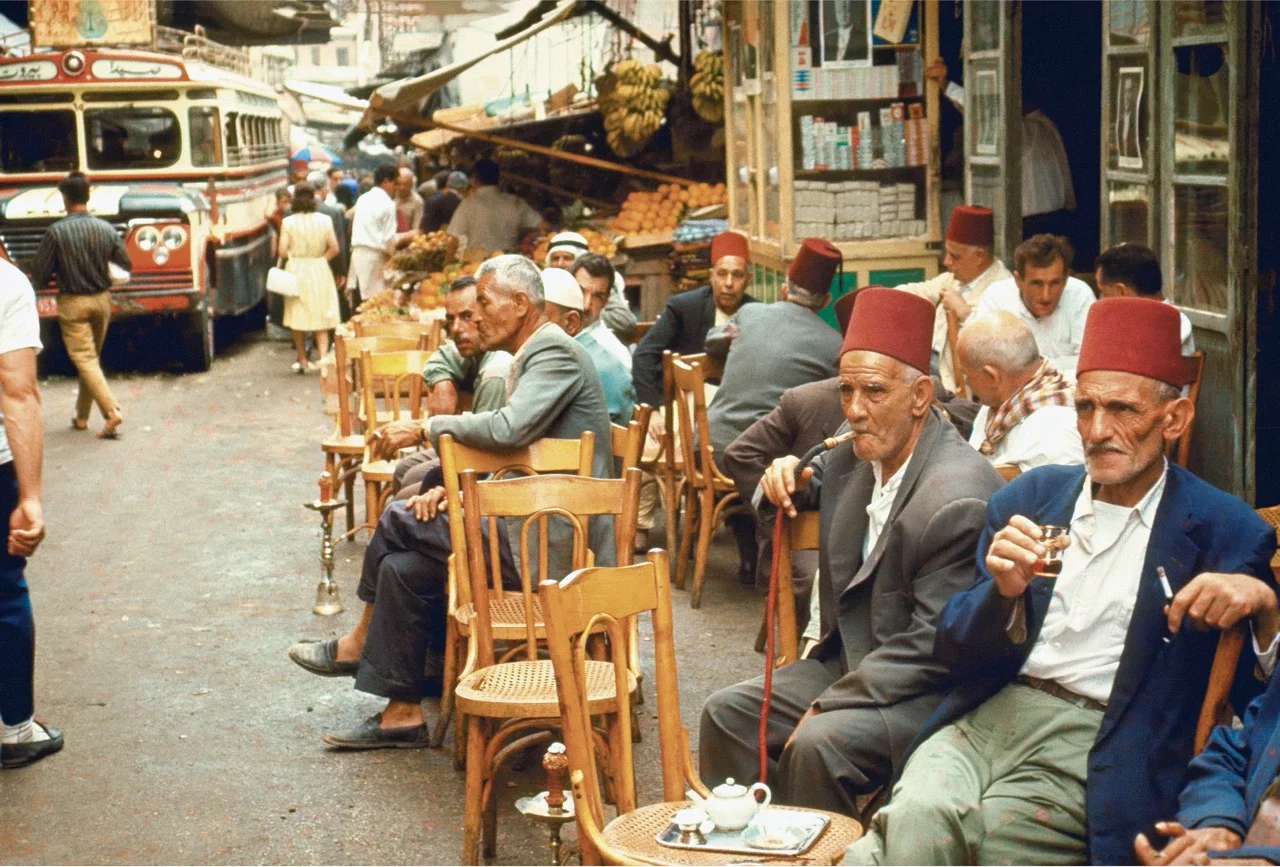
Coffee-table books about Middle Eastern cities have a habit of flattening them into a mood board featuring souks, minarets, a wash of nostalgia, assembled by people looking in from outside. “Beirut Habibi” is a chance to see what changes when the person holding the pen actually lived the history he’s describing.
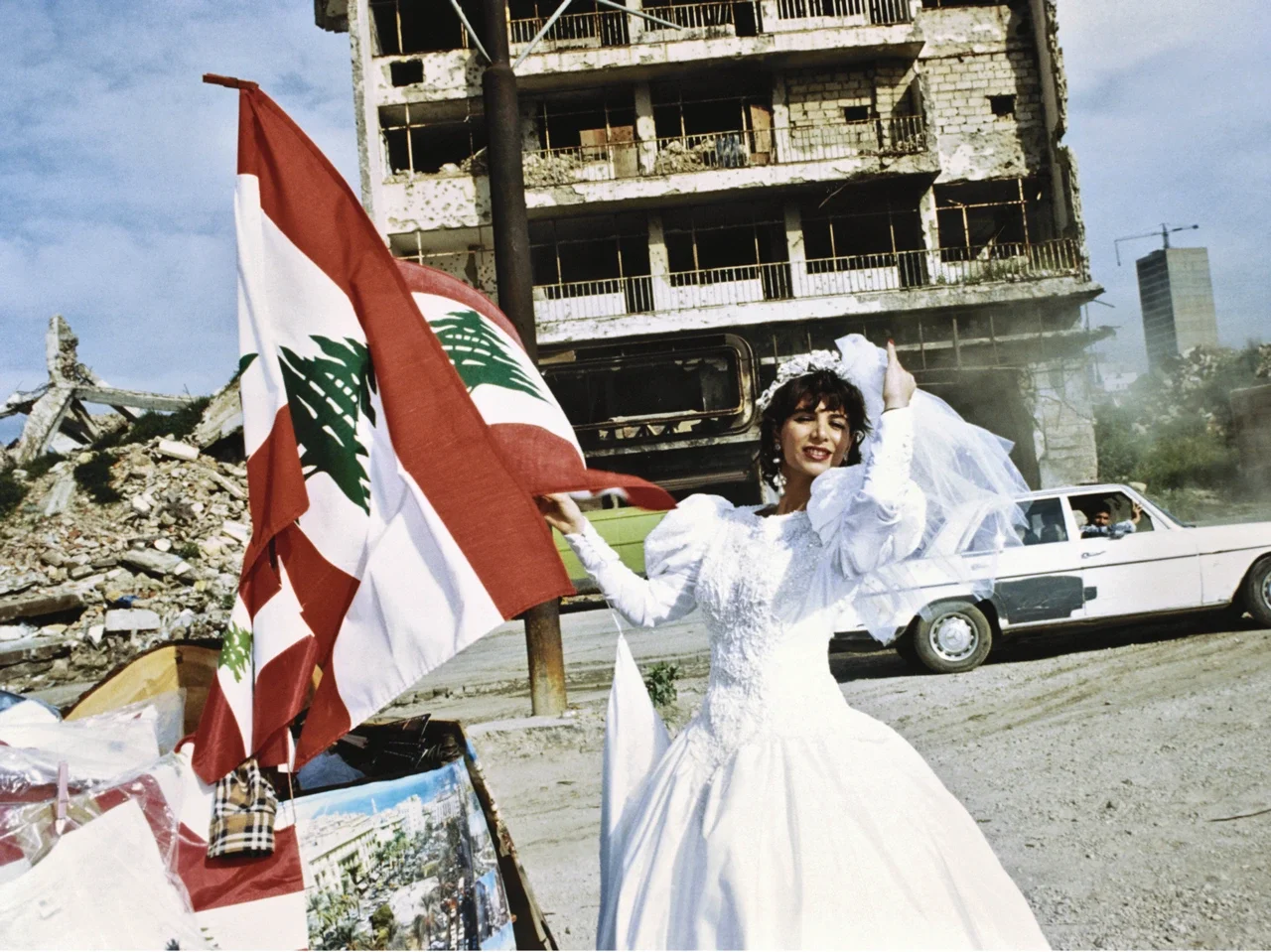
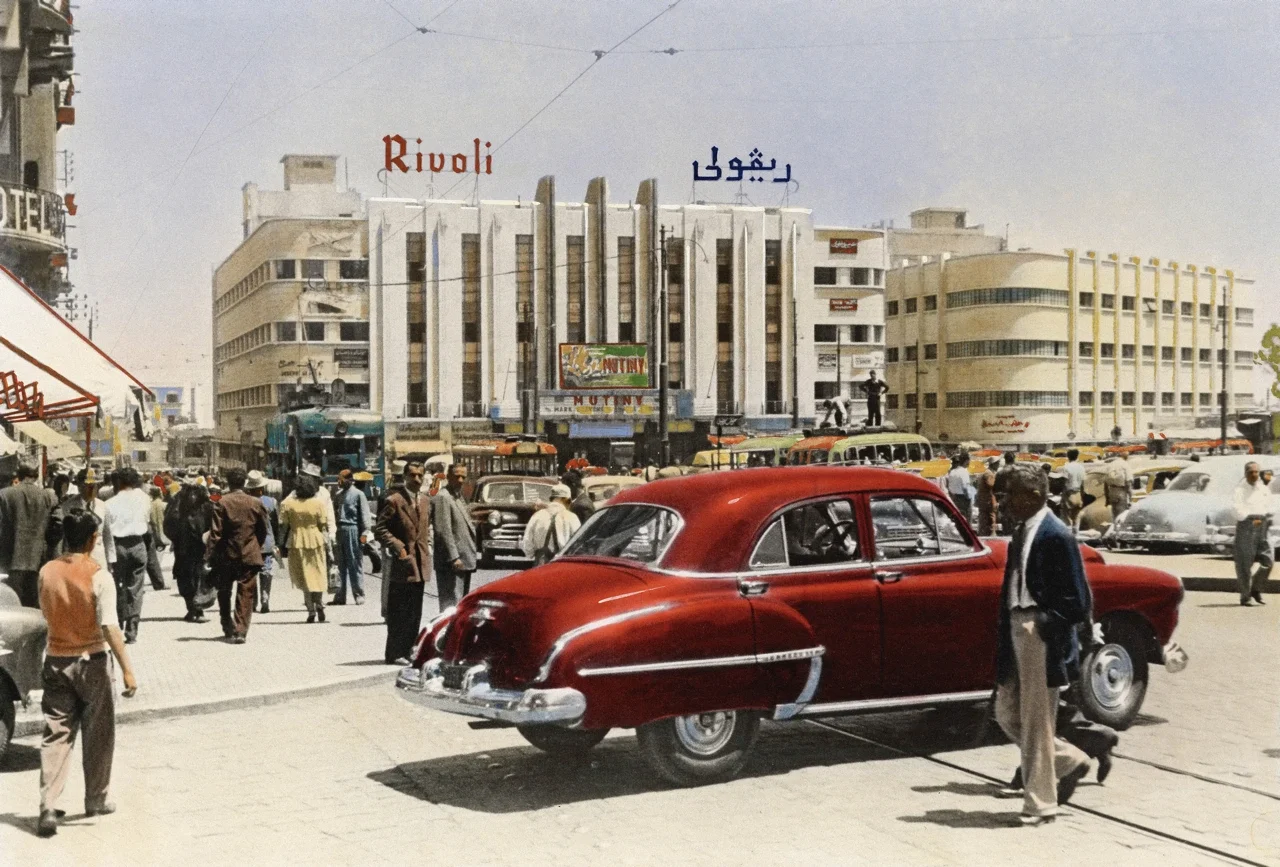
Majdalani’s account moves through Beirut as a Phoenician port, a Roman colony, an Ottoman jewel and a French mandate capital, landing on a city that's Mediterranean in its geography, unmistakably Western in its café culture, and still, at its core, Arab and Levantine.
The book gives real weight to Beirut’s post-civil-war chapter too – the reinvention that followed the war's end in 1990, alongside the heritage the city refused to let go of. Gemmayze’s cafés and galleries get their due, as does the Sursock family’s palace as a stand-in for old Beirut’s aristocratic streak, but the sharpest inclusion is Elie Saab’s couture ateliers, cited as proof the city’s creative output never actually stopped, war or no war.
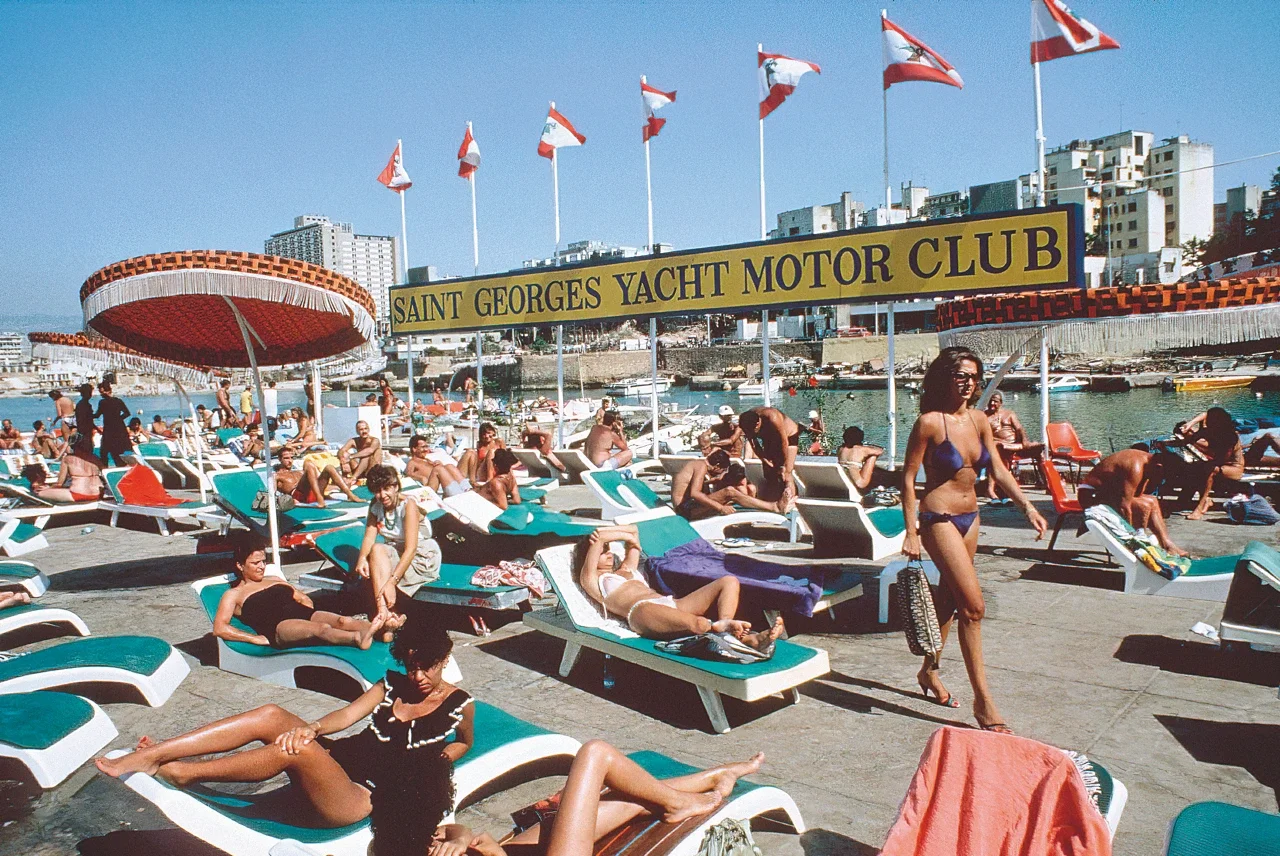
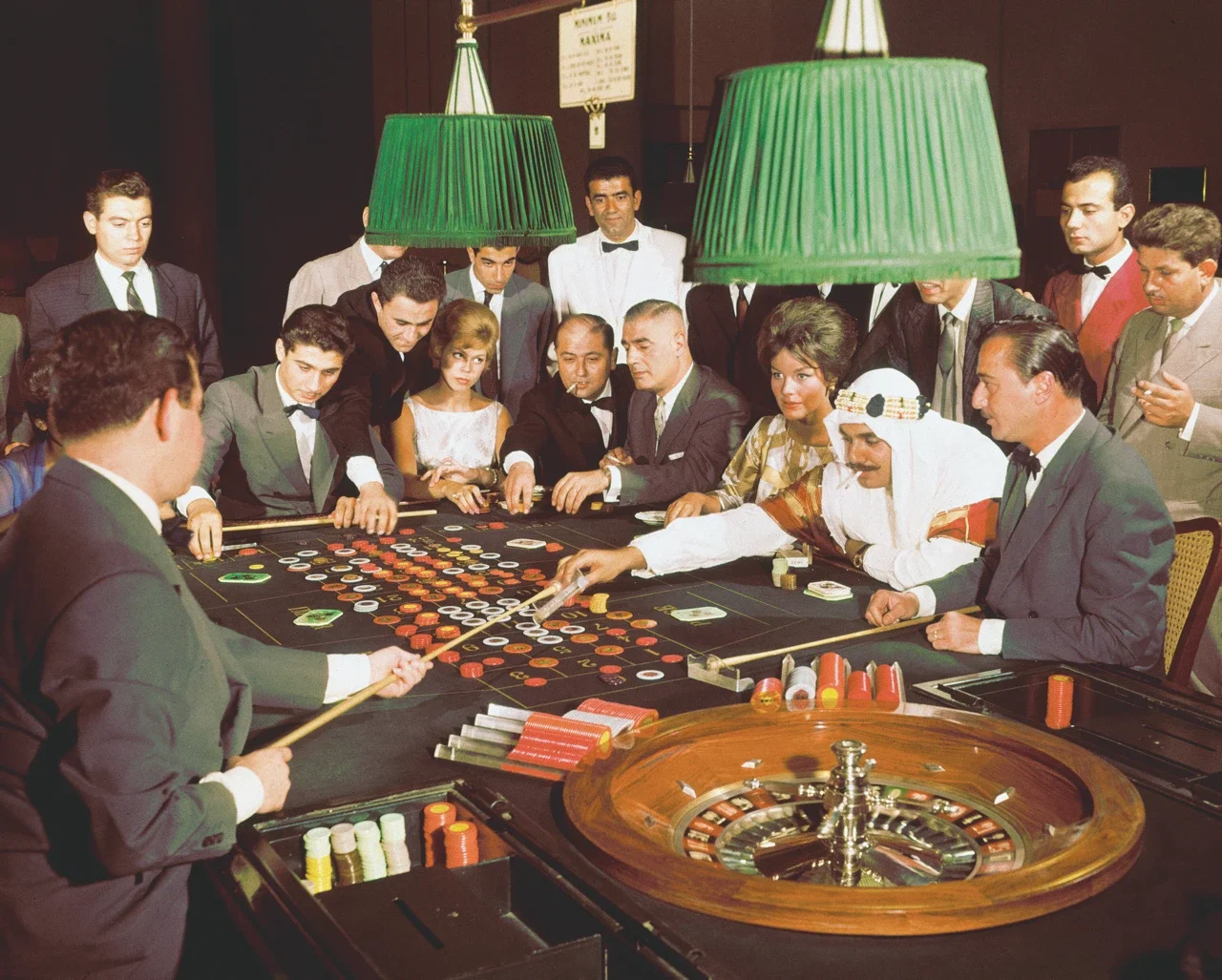
The archive is where the book really stands out. A 1972 shot of Boulevard de Paris captures the city’s so-called riviera era, hotels, casinos, beachfront nightlife pulling in international stars, sitting a few pages away from Yazan Halwani’s graffiti mural of Fairuz in Gemmayze, painted decades after that glamour supposedly ended. The book doesn't let the pre-war years sit as pure nostalgia; it puts that glamour next to a city that had to rebuild itself from scratch after 1990, and refuses to edit either half out for comfort. That continuity, more than any single photograph, is what makes Beirut read as resilient rather than just picturesque.