Our Favourite Hotels for Summer 2026 in London
London is having one of its most extraordinary hotel moments in decades. Here's where to stay, from landmark restorations to wellness sanctuaries to theatrical boutiques.
The city has always had good hotels. What it has right now, though, is something rarer. We’re seeing the most ambitious wave of hotel openings London has seen in years. Global luxury brands making their first appearances in the UK, landmark buildings restored to uses that honour their histories, and a handful of smaller, more unique options that are harder to categorise.
Whether you're visiting for a concert, work trip, or simply because the city is calling your name, the question of where to stay has become, for the first time in a while, genuinely exciting. Here is Cake The Mag’s selection.
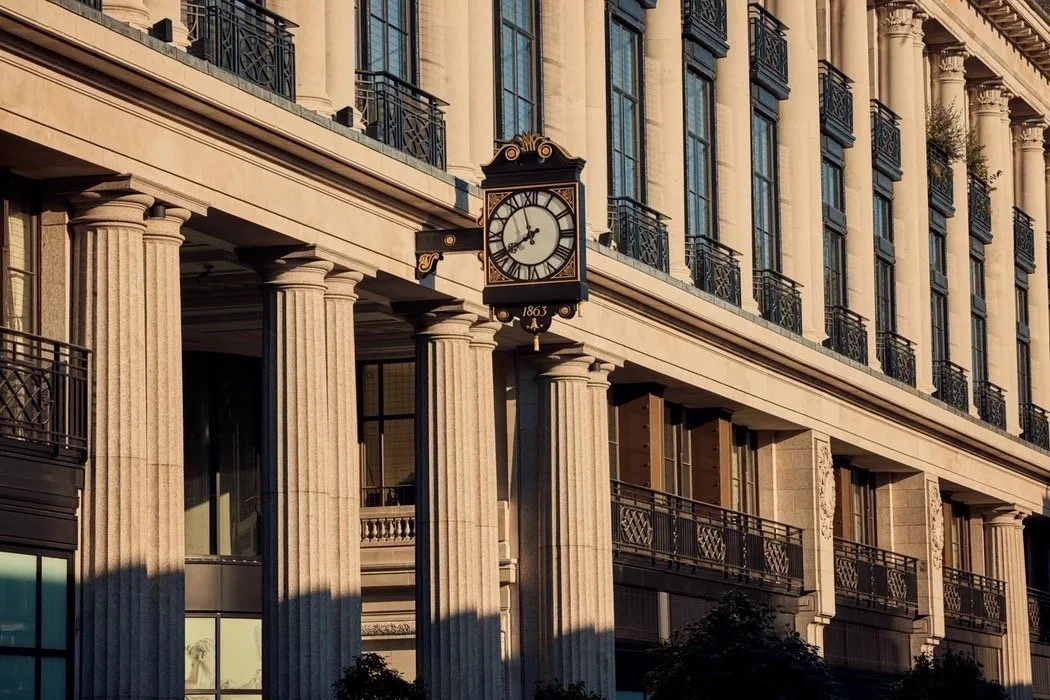
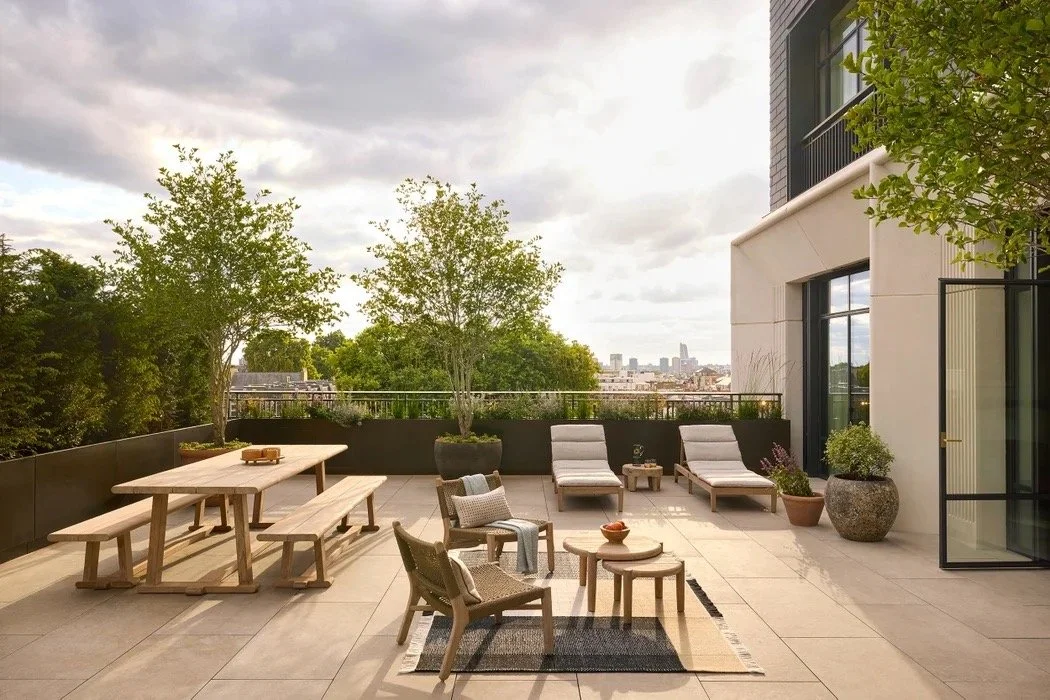
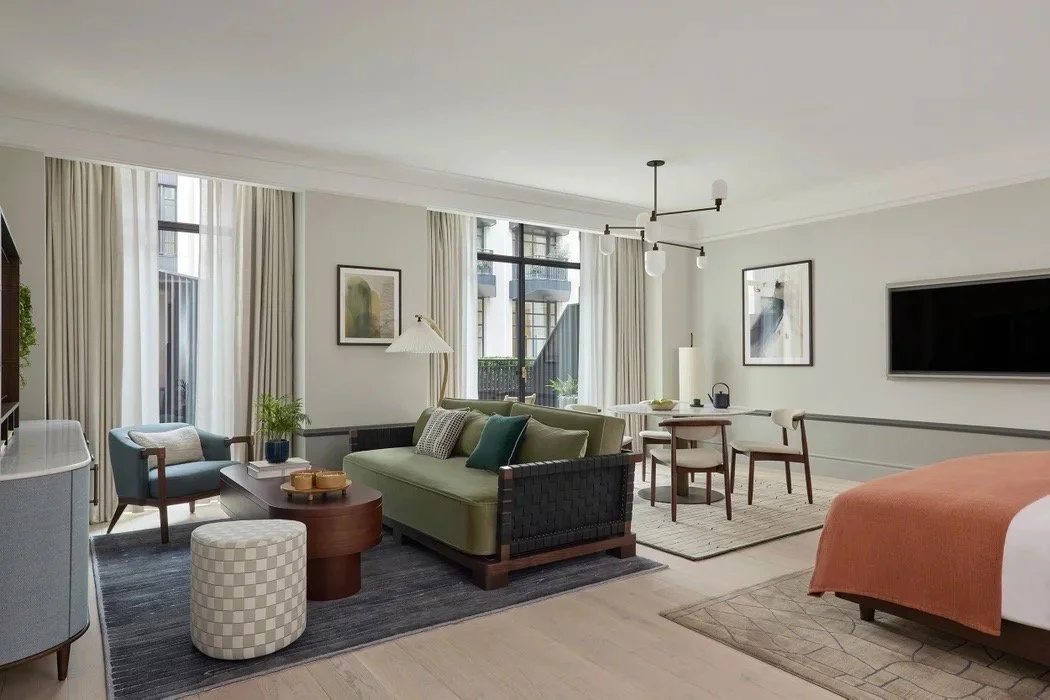
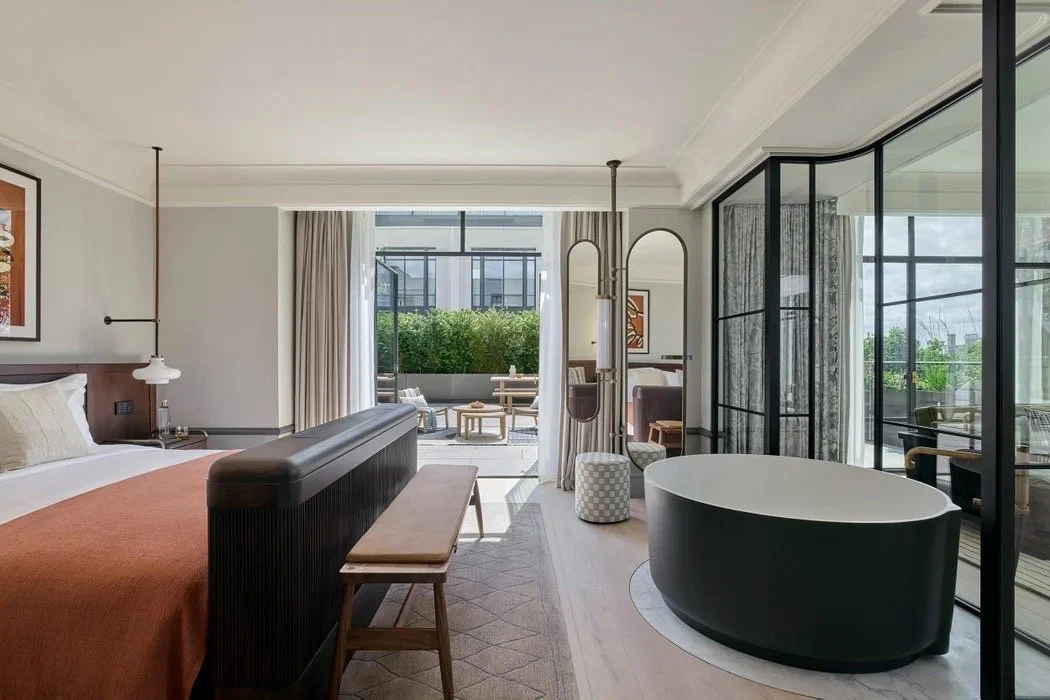
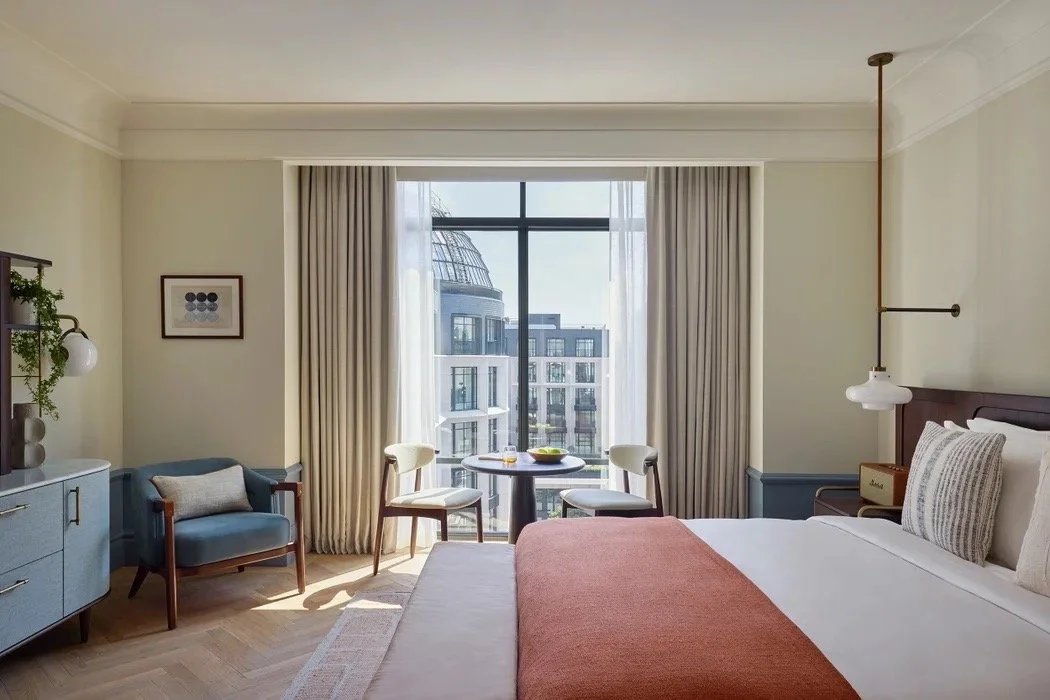
The global wellness brand's first UK outpost has been one of the most anticipated openings of the year, and the Whiteleys building in Bayswater, an Art Deco landmark that previously housed one of London's most beloved department stores, turns out to be a perfect home for it. The neighbourhood, sitting at the intersection of Hyde Park, Notting Hill and Paddington, has a residential quality that suits the brand's philosophy: this is not a hotel that wants to be a performance of luxury; it wants to be a genuinely restorative place.
The 109 guest rooms and suites celebrate the building's architectural origins (high ceilings, generous proportions, original details preserved with care) while the wellness offering is where Six Senses earns its reputation. Longevity programmes, a spa of genuine ambition, a private members' club and sustainability-driven design throughout. The 14 branded residences within the building speak to how seriously the brand takes the idea of long-term inhabitation rather than just short stays.
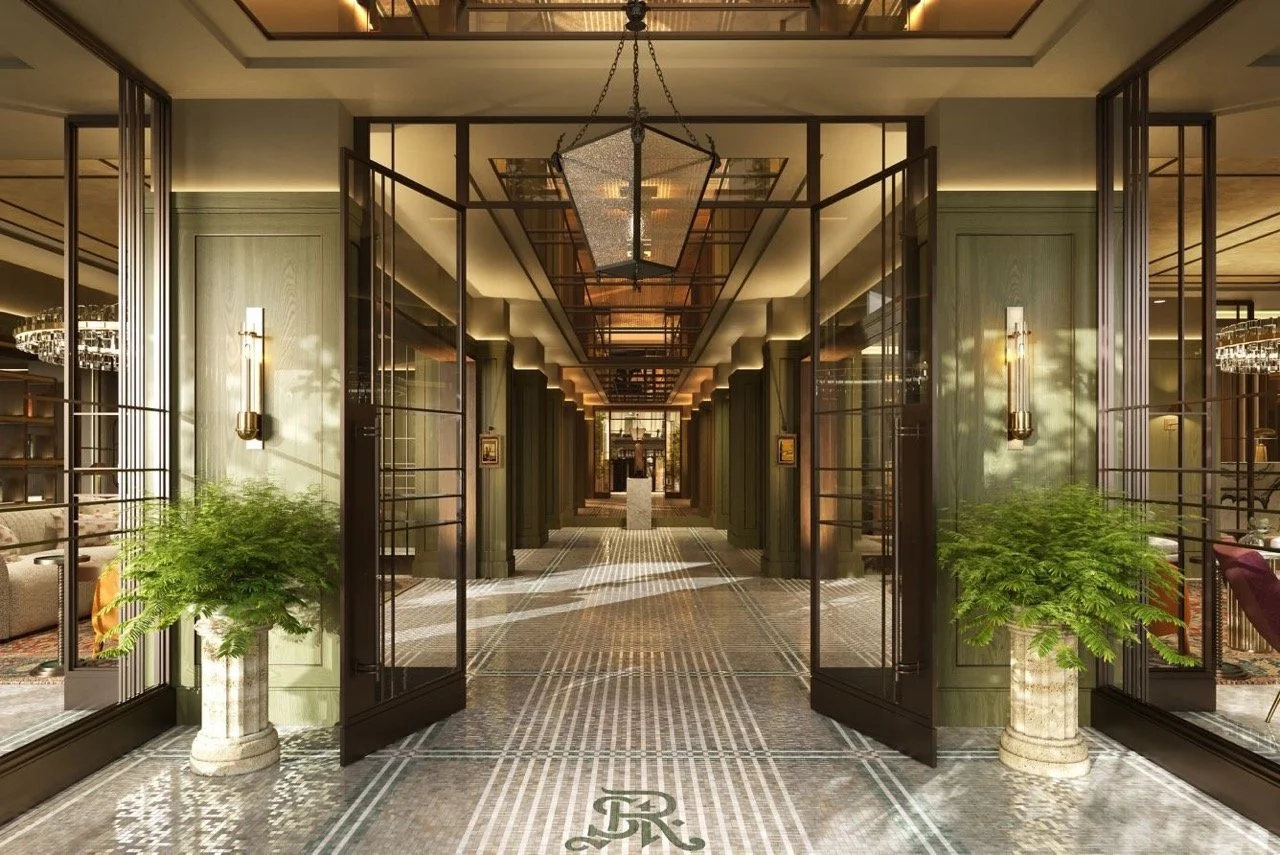
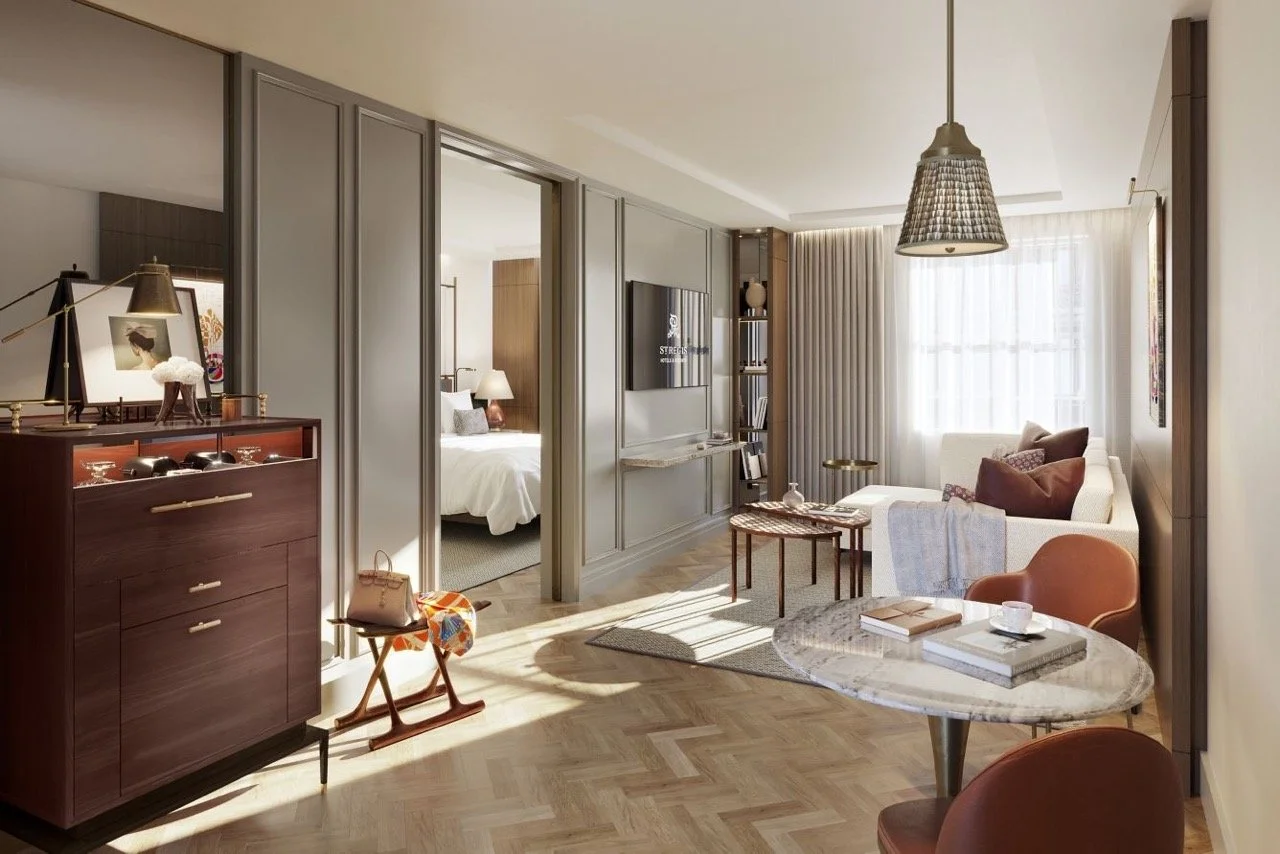
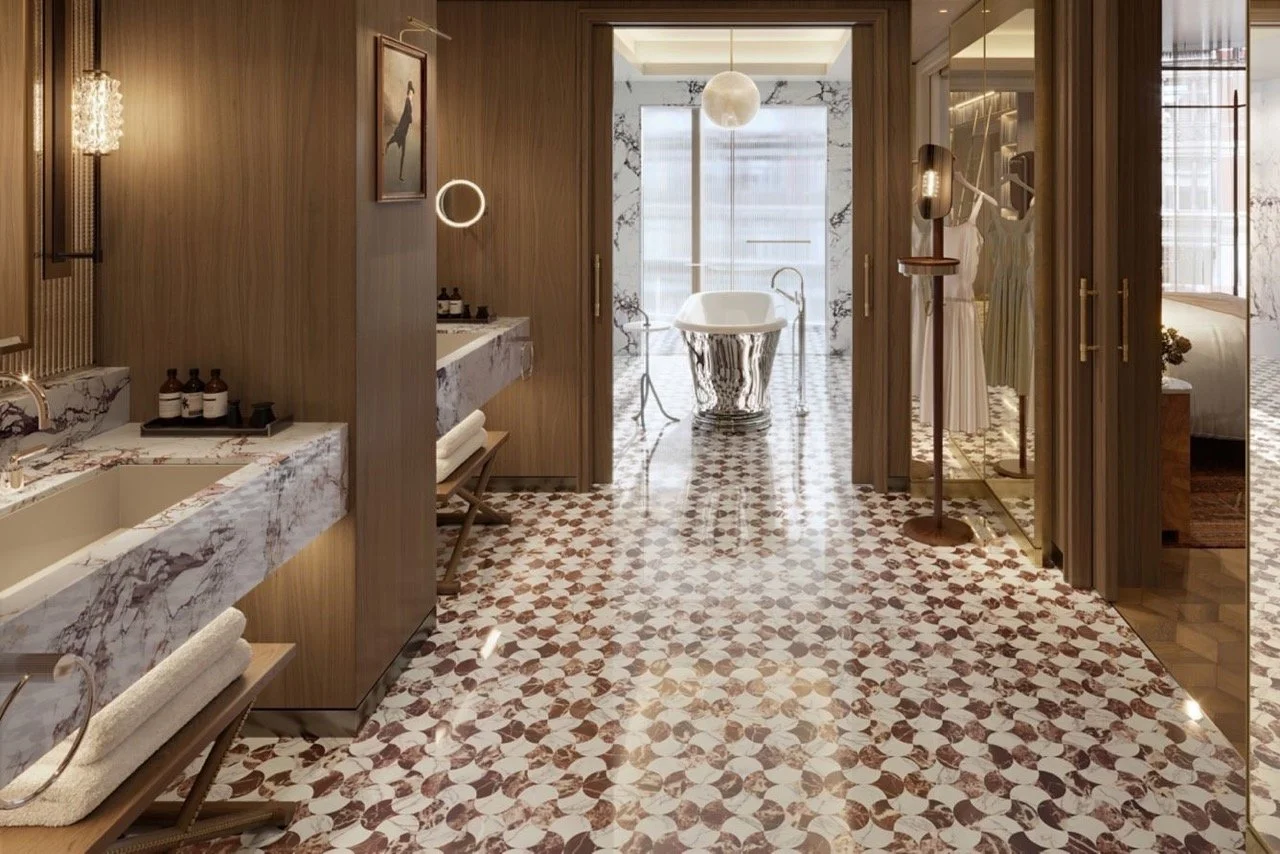
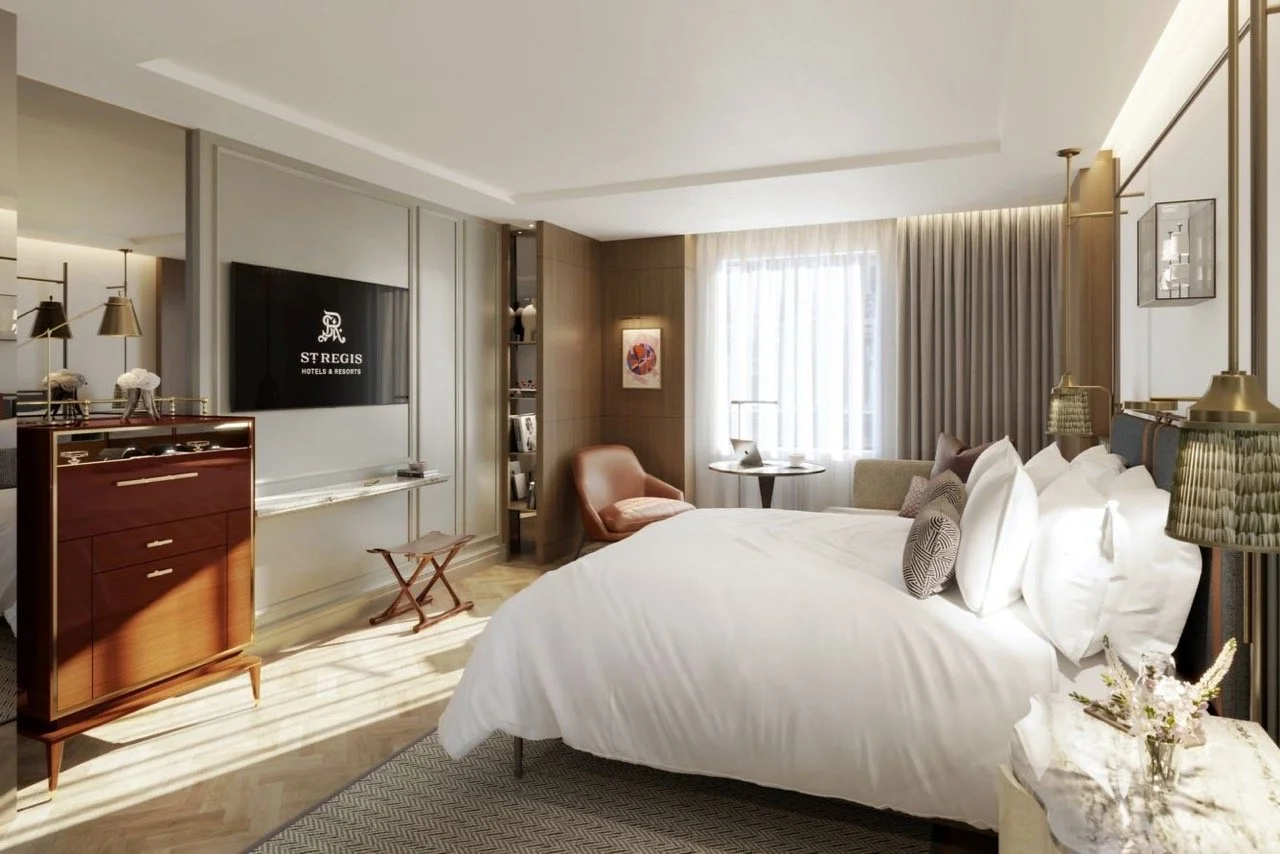
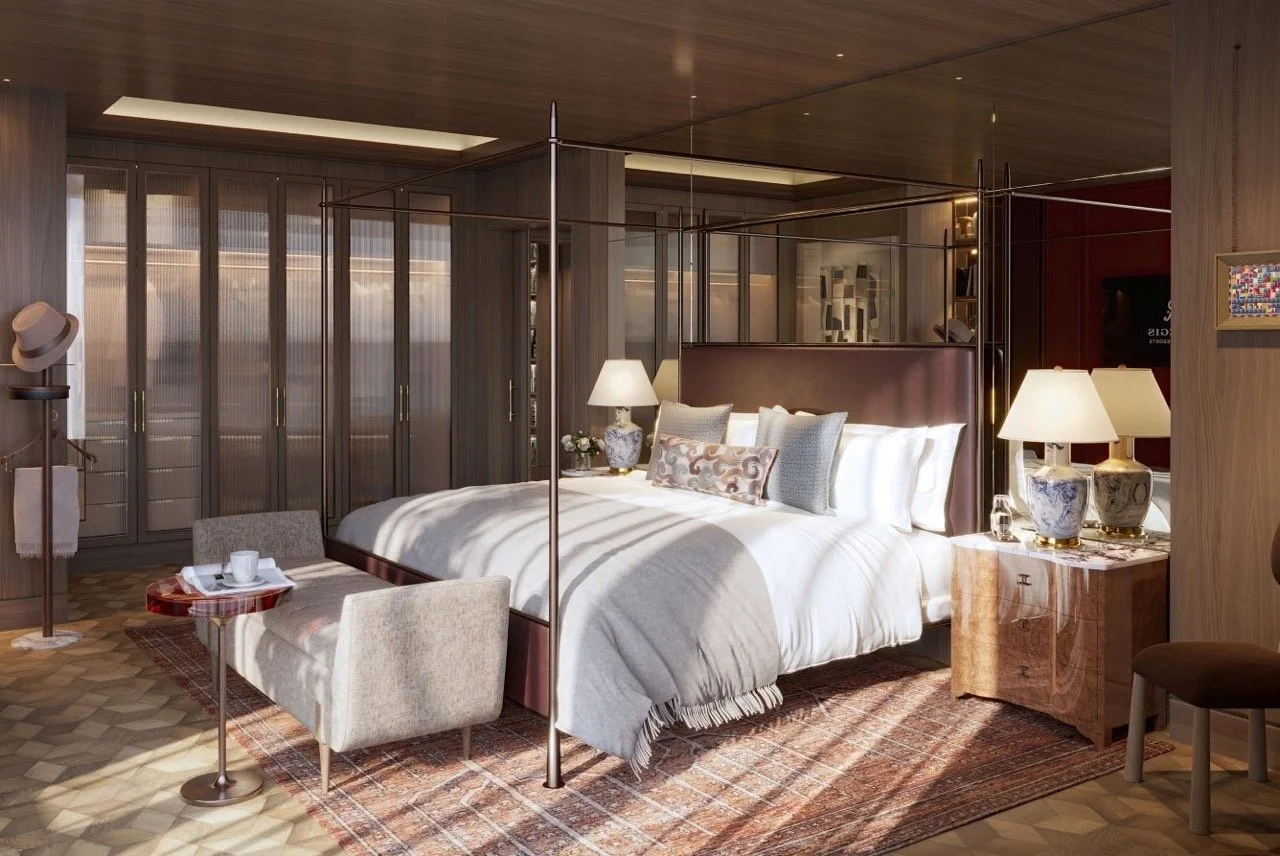
The first St. Regis in the UK has taken over the former Westbury Mayfair Hotel on the corner of Bond Street and Conduit Street, a location that makes it virtually impossible to avoid the city's best galleries, its most serious fashion houses, and its most discreet dining rooms. The 196-room hotel (with a new eighth floor added during renovation) brings the brand's signature codes (butler service, midnight supper, curated social events) to a building that has been thoroughly remade for the purpose.
The speakeasy jazz bar is the social draw for non-guests; the signature spa, with its two suites featuring feature plunge pools and saunas, is the draw for everyone else. The St. Regis plays in the same register as Claridge's and The Connaught, a certain kind of Mayfair grandeur that is entirely serious about service without taking itself too seriously, and its Mayfair positioning means it will naturally become a gathering point for the fashion and art world, which is either a feature or a drawback depending entirely on your personality.
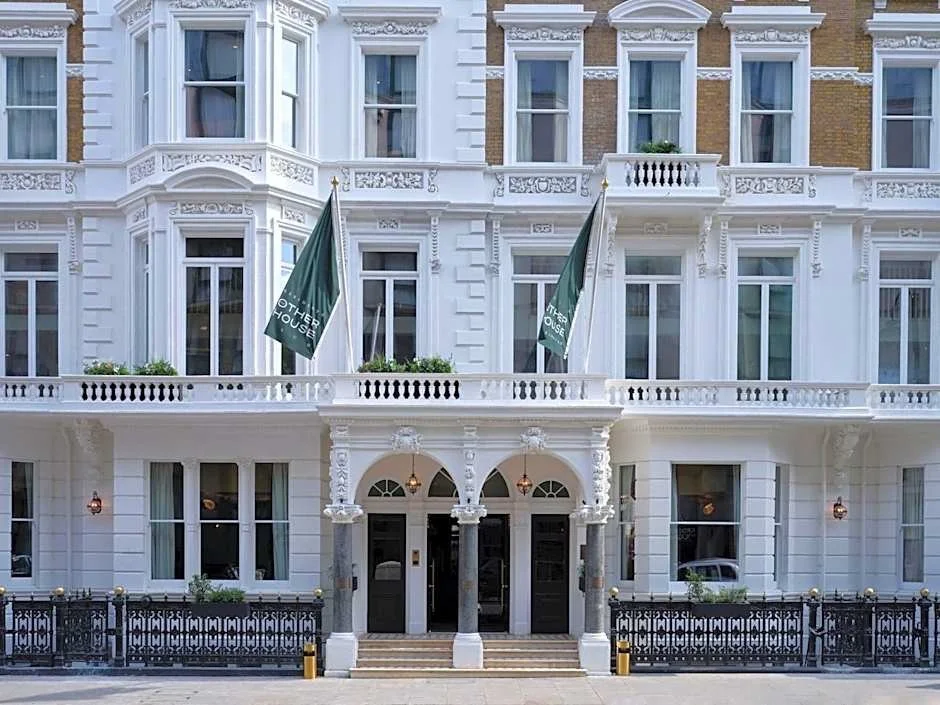
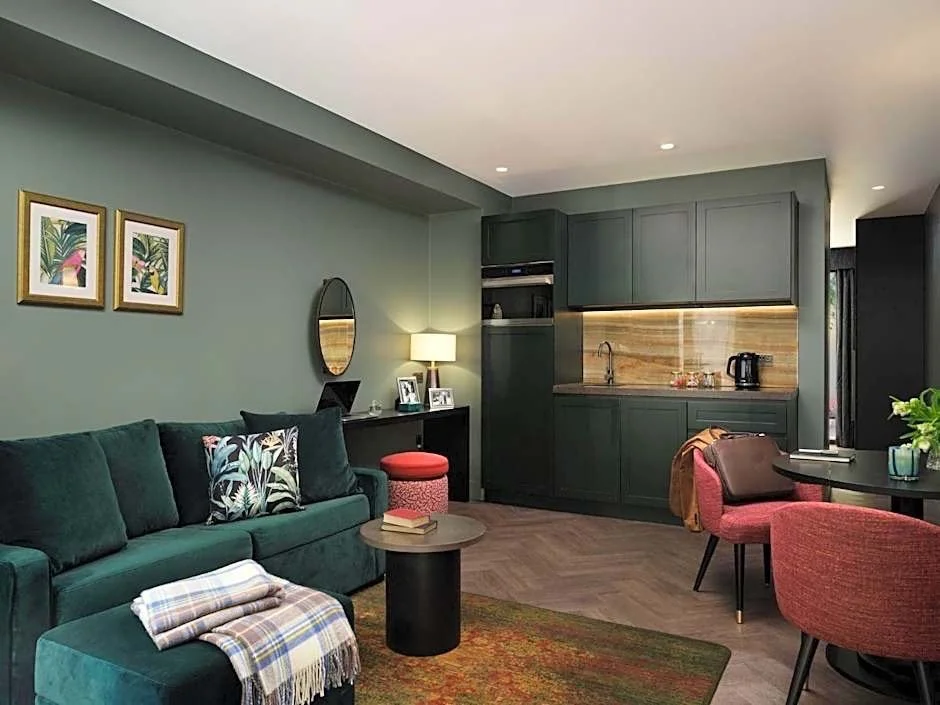
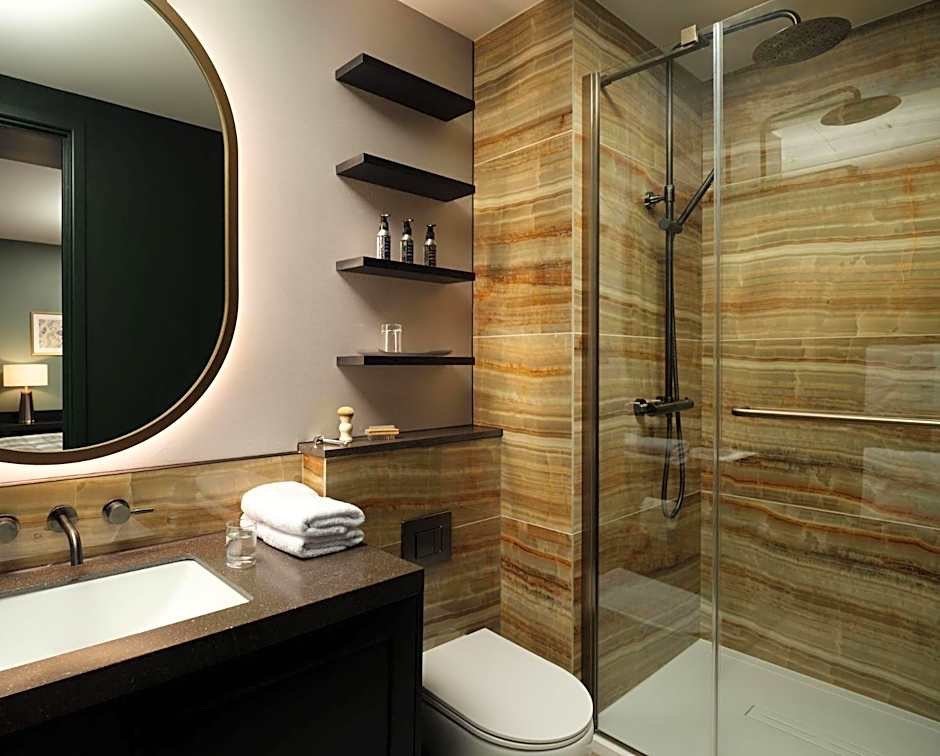
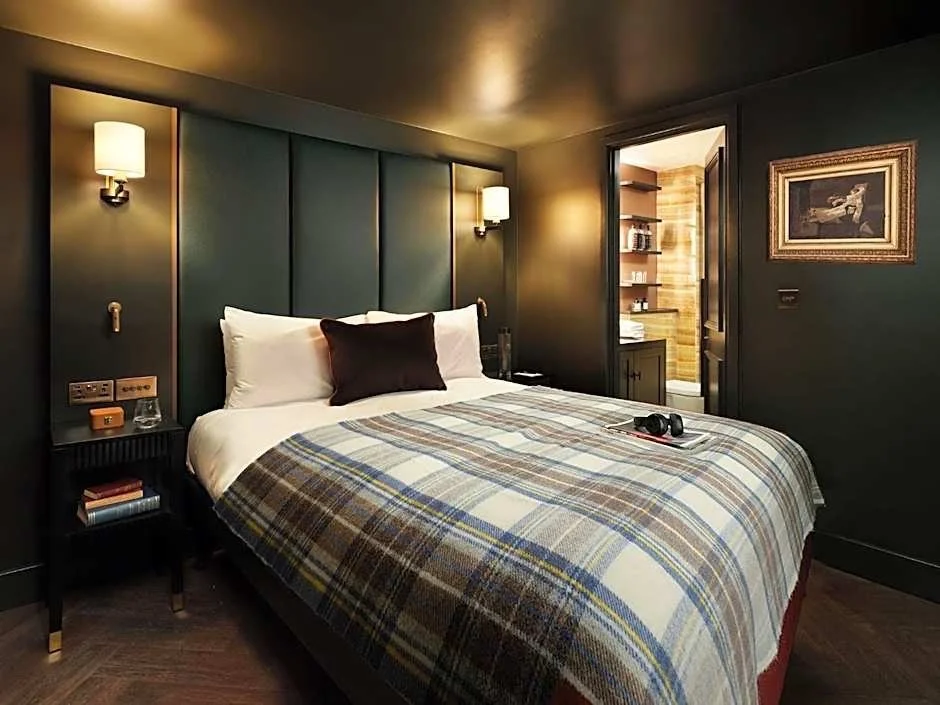
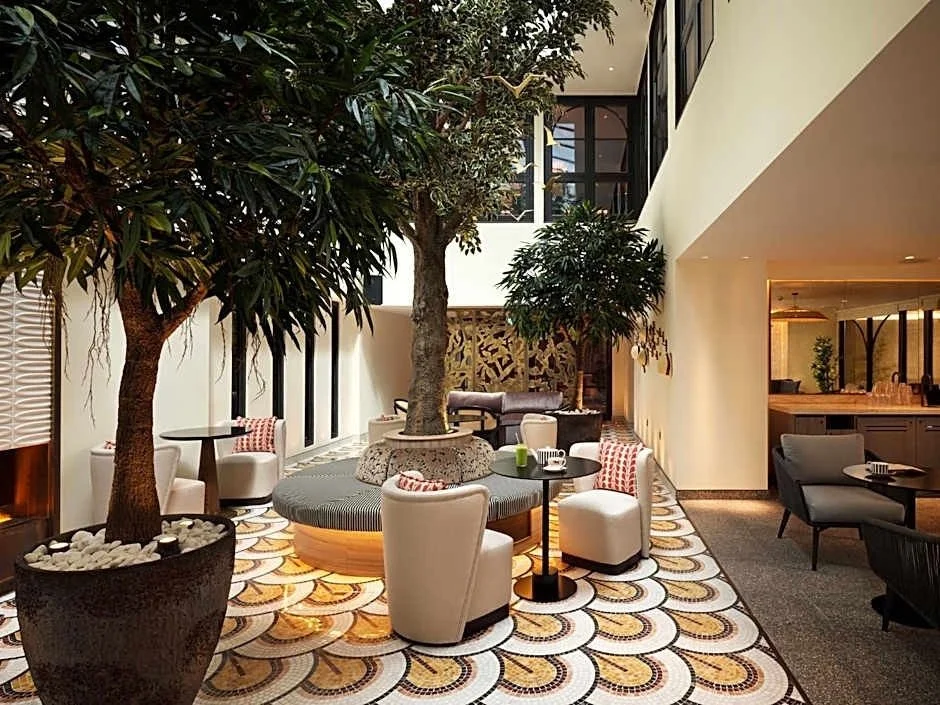
The concept is harder to explain than it is to experience: The Other House positions itself somewhere between a private apartment and a boutique hotel, offering 146 dramatically designed rooms and Club Flats, the latter with kitchenettes that make them genuinely liveable for extended stays rather than just a slightly larger hotel room. The Covent Garden location, in the heart of London's theatre district, gives it an energy that the more sedate corners of Mayfair and Belgravia can't match.
The private members' club is the centrepiece: lounges, a vitality pool, treatment rooms, a gym, and a calendar of social and cultural events that means guests who want to become temporary locals have the infrastructure to do so. It is a different model of luxury from the grand hotel, more intimate, more personalised, and considerably less formal, and for the right traveller, it is a significantly better fit.
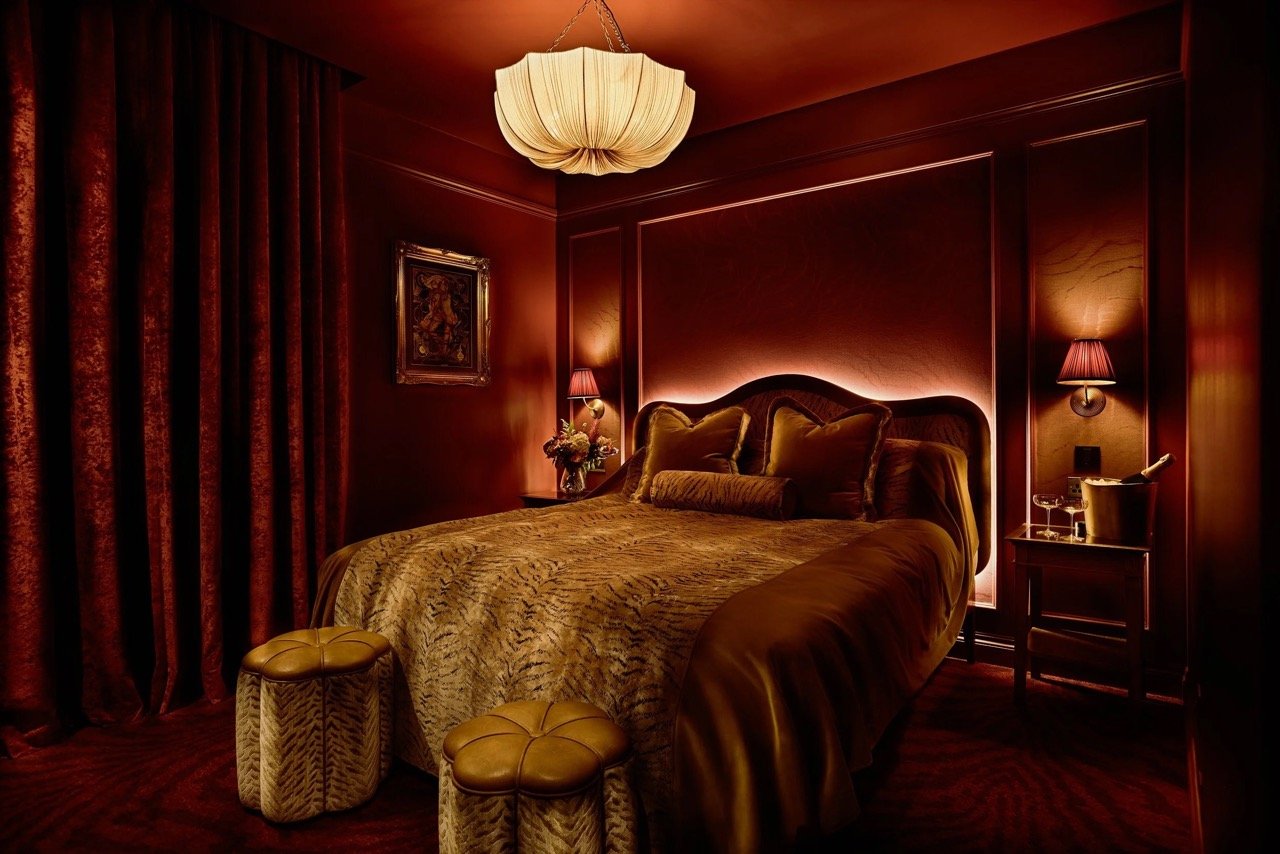
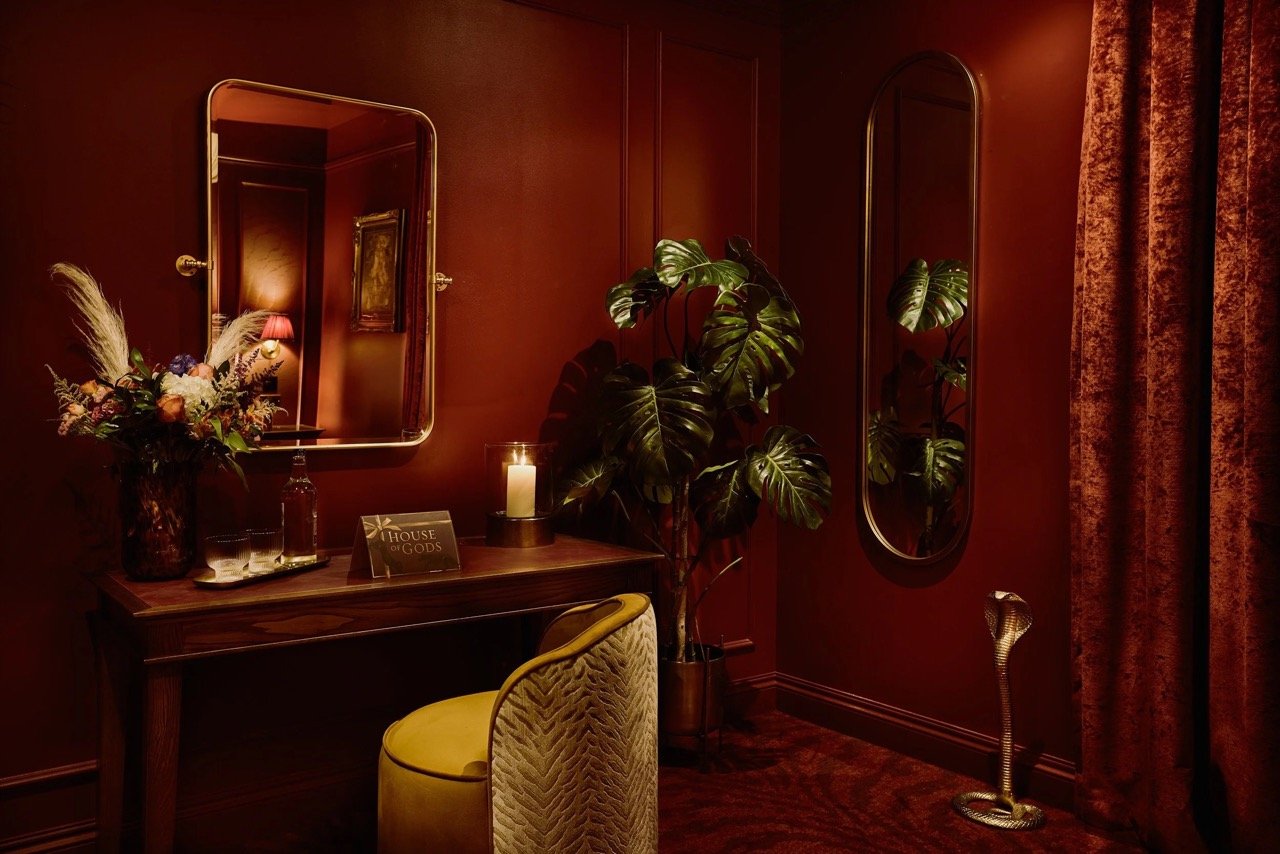
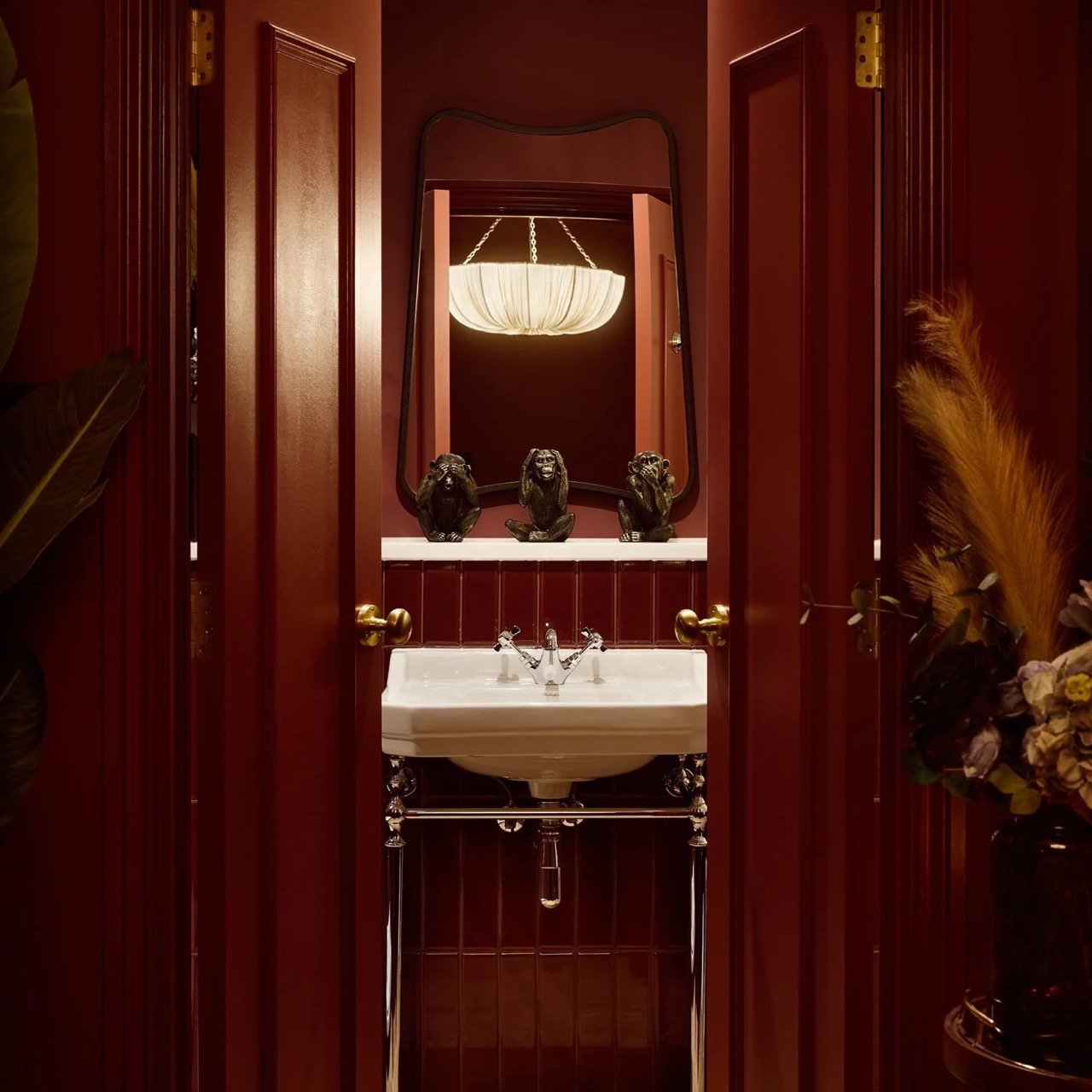
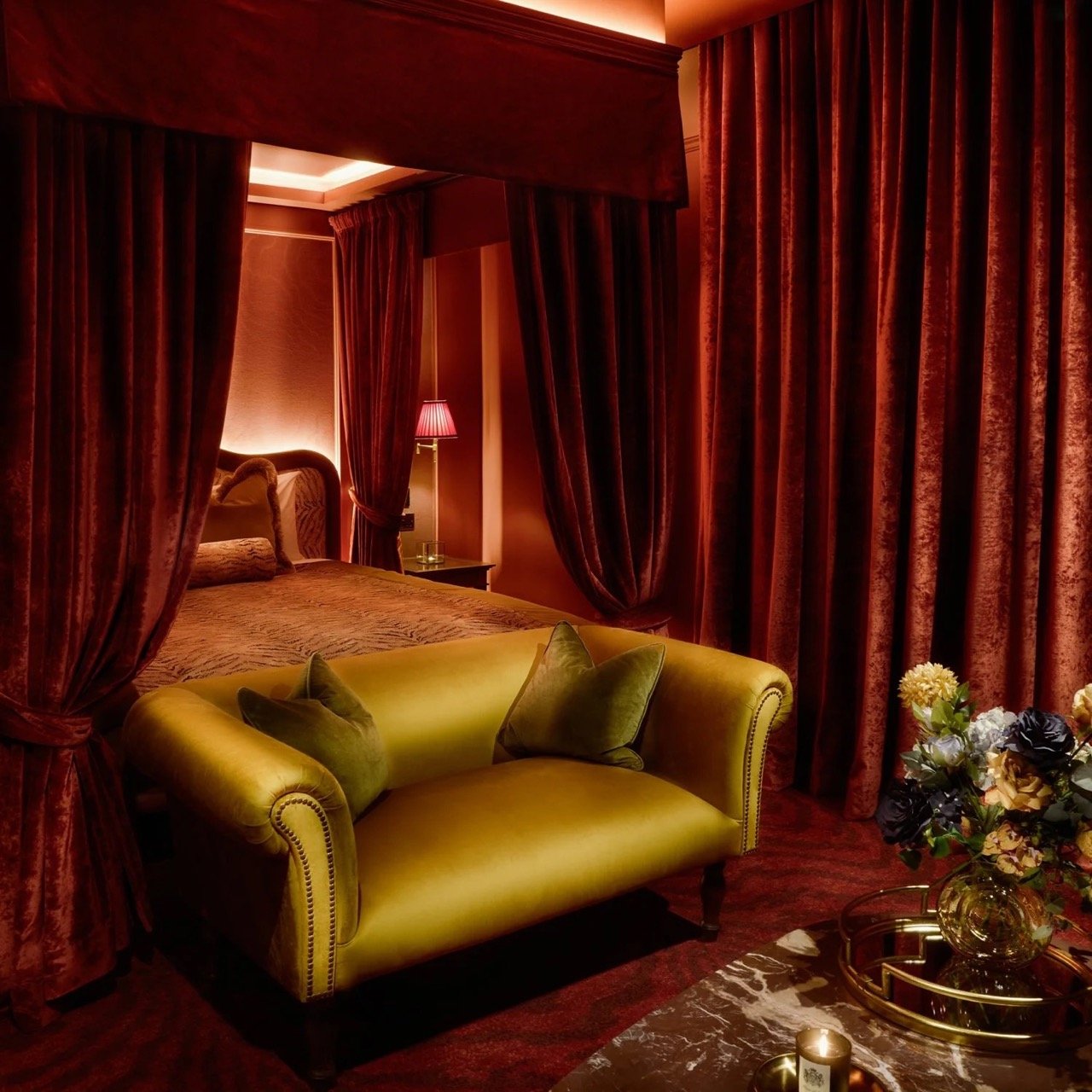
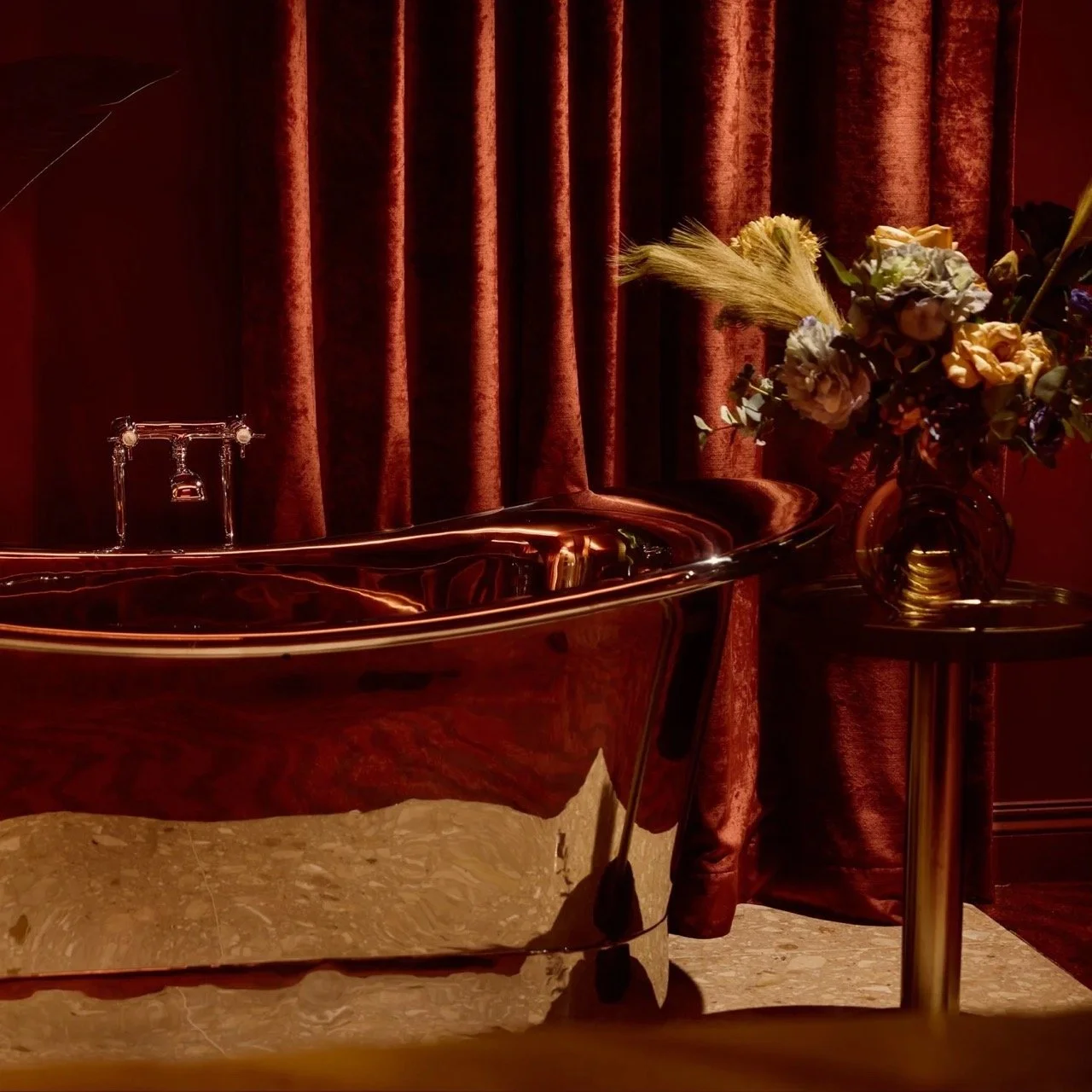
The Scottish boutique brand's London debut is the most surprising address on this list and, for that reason, the most interesting. Canary Wharf is not where you'd expect a theatrically designed, music-obsessed boutique hotel with 78 richly styled bedrooms and a rooftop bar with panoramic dockside views to arrive. Which is precisely why it works.
House of Gods brings a maximalist, unapologetically indulgent aesthetic to a neighbourhood that has historically been dominated by corporate towers and business hotels doing very little of interest. The live music venue, the immersive interiors, the dockside views, this is a hotel that is trying to make Canary Wharf a destination in itself rather than just a place to stay while you work nearby.
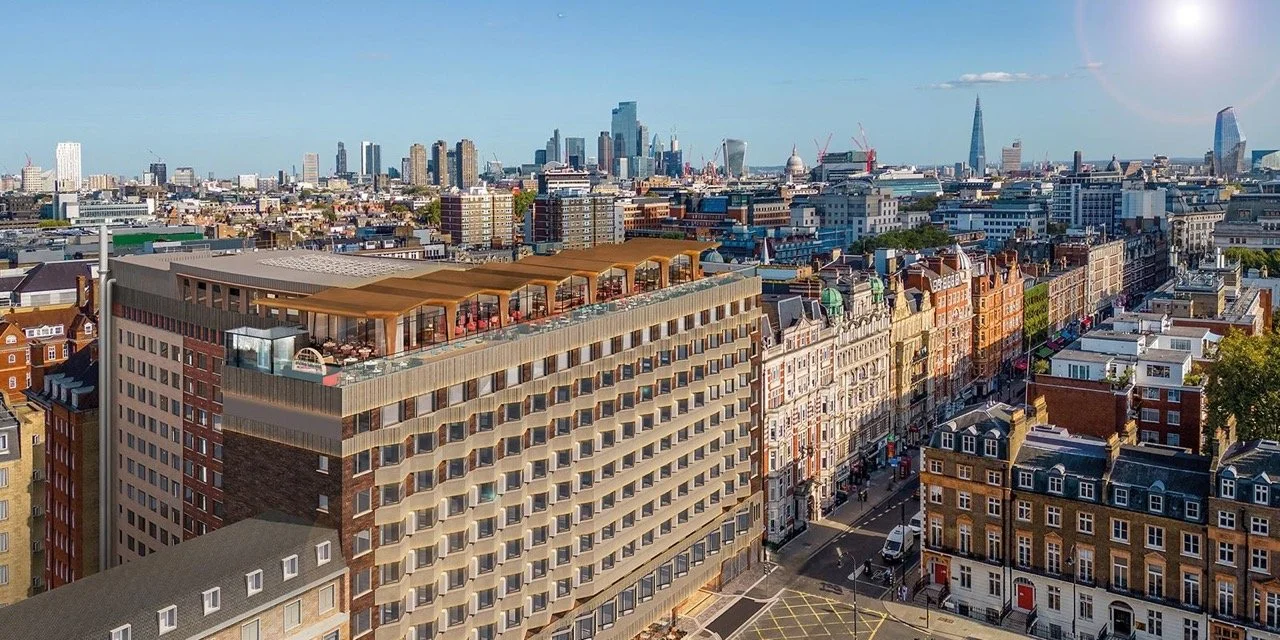
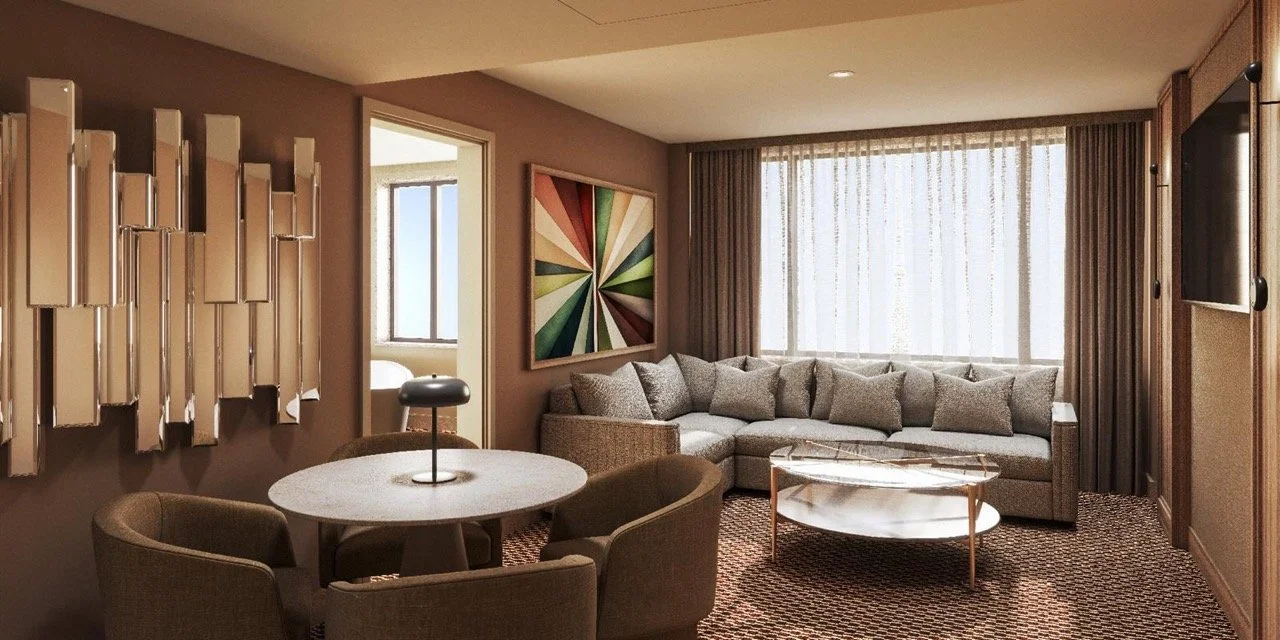
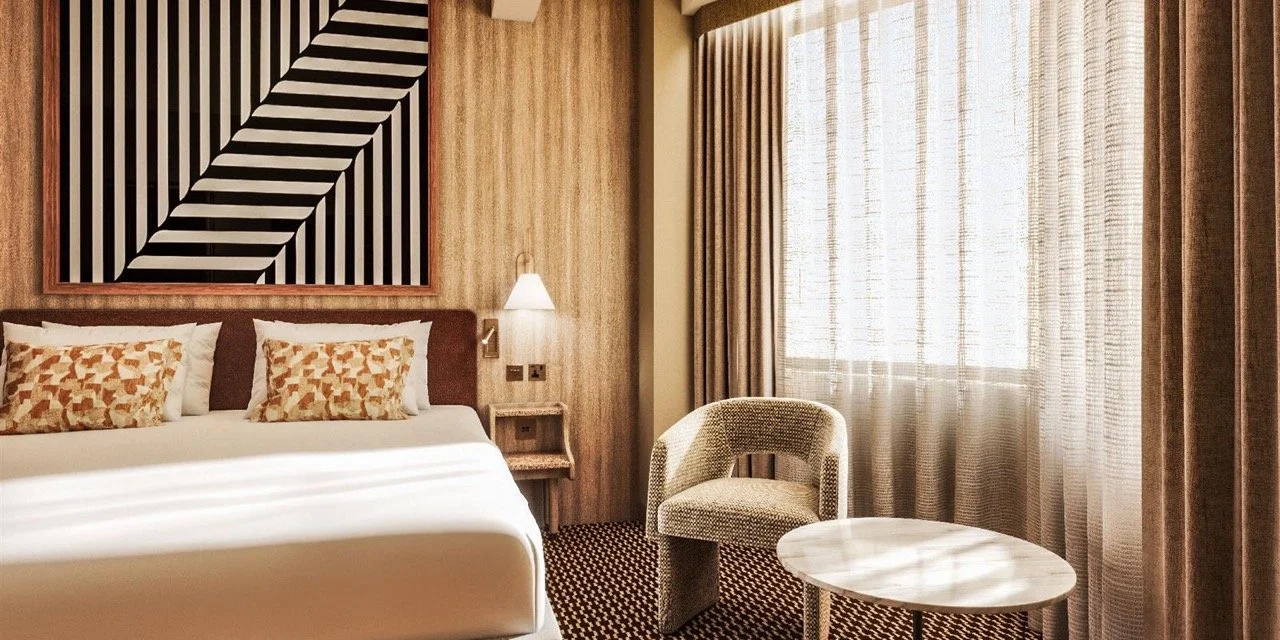
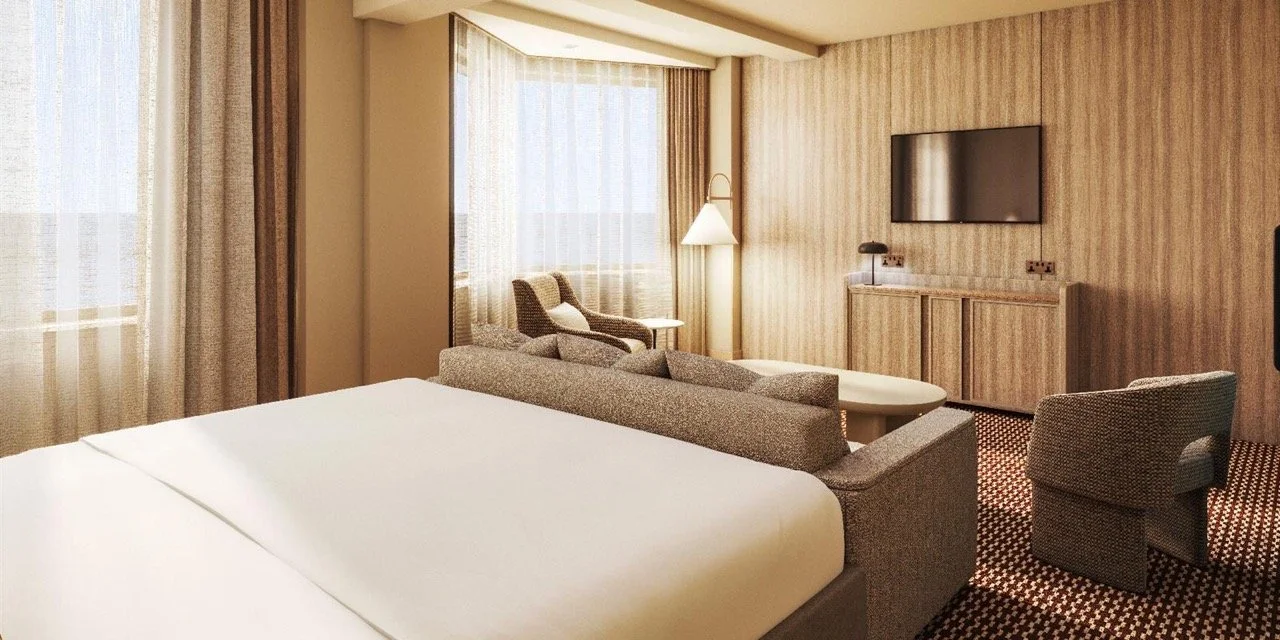
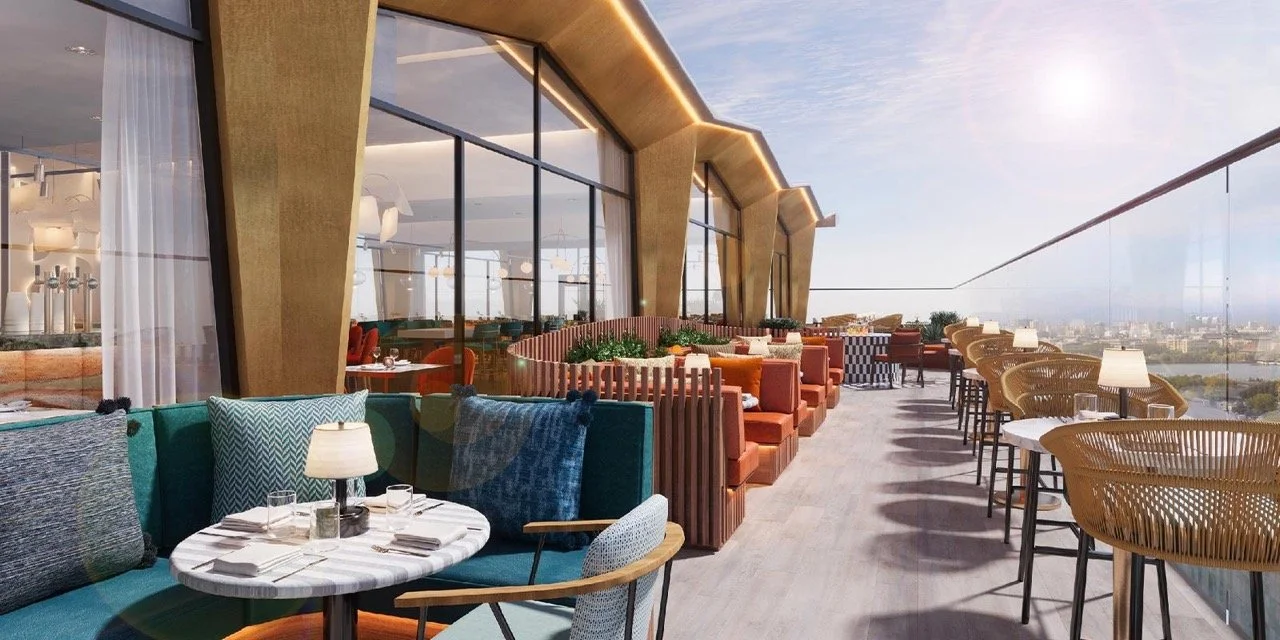
Opening this summer, The Imperial brings a confident new chapter to a building that is already one of Bloomsbury's defining architectural features: the iconic modernist exterior overlooking Russell Square remains, while the interior has been reimagined with 357 rooms and suites that blend mid-century modern design with something warmer and more considered than that description suggests. The tenth-floor rooftop bar, with its views across Russell Square and the city beyond, is the room everyone will be talking about by September.
The location is the argument: Bloomsbury is London at its most literary and museum-dense, within easy reach of the British Museum, the Courtauld Gallery and the cluster of independent bookshops and quietly excellent restaurants that make the neighbourhood worth spending time in. The Imperial understands this and positions itself accordingly, a hotel for people who are actually in London for London.
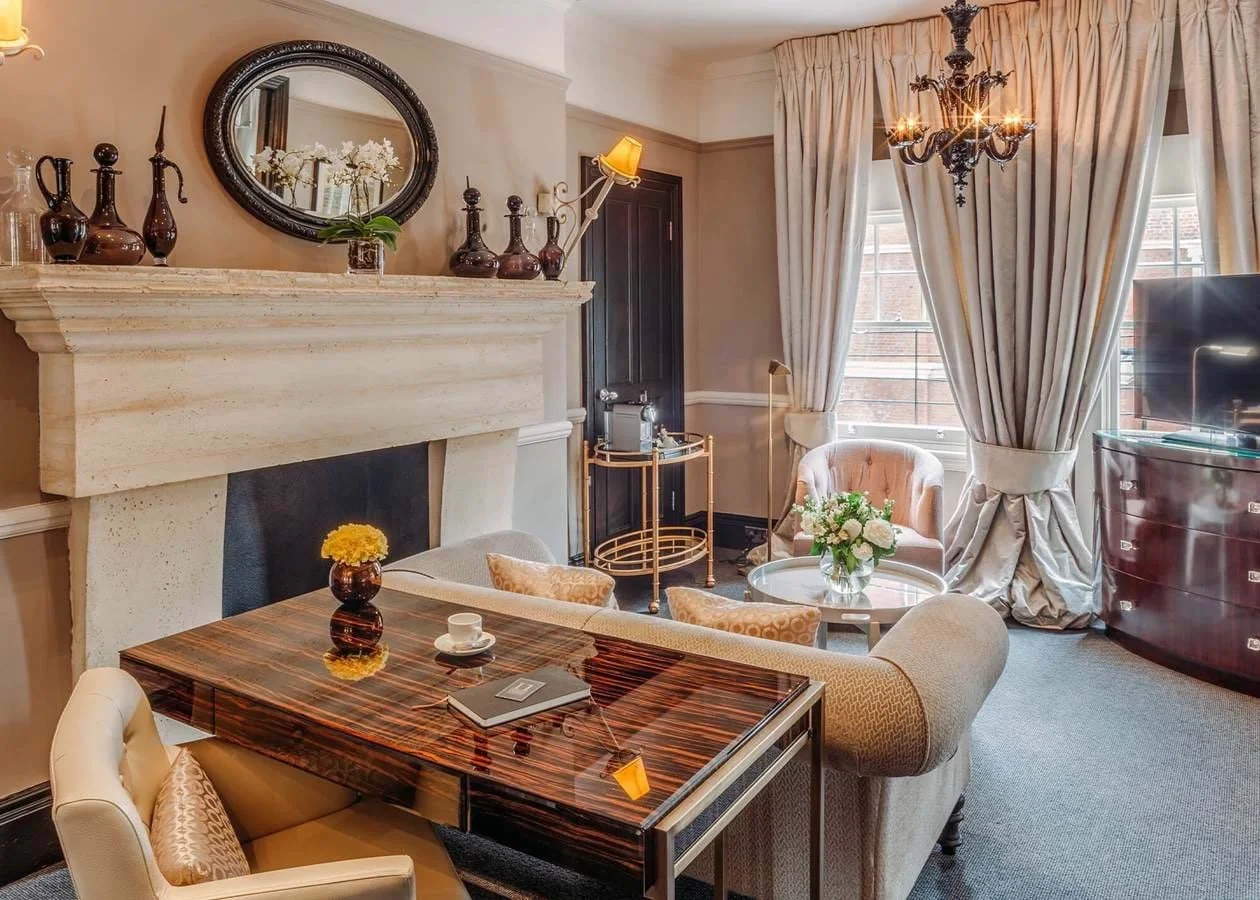
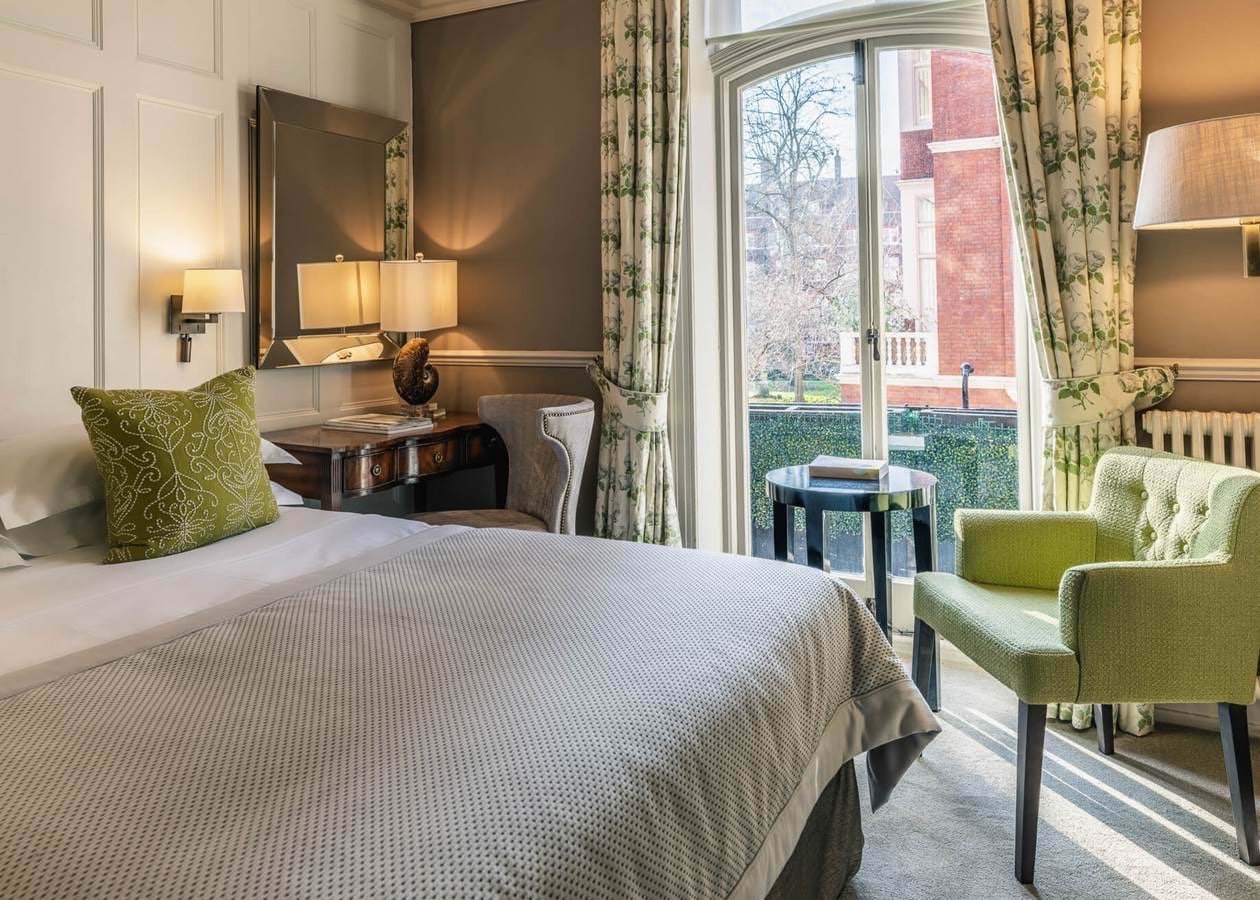
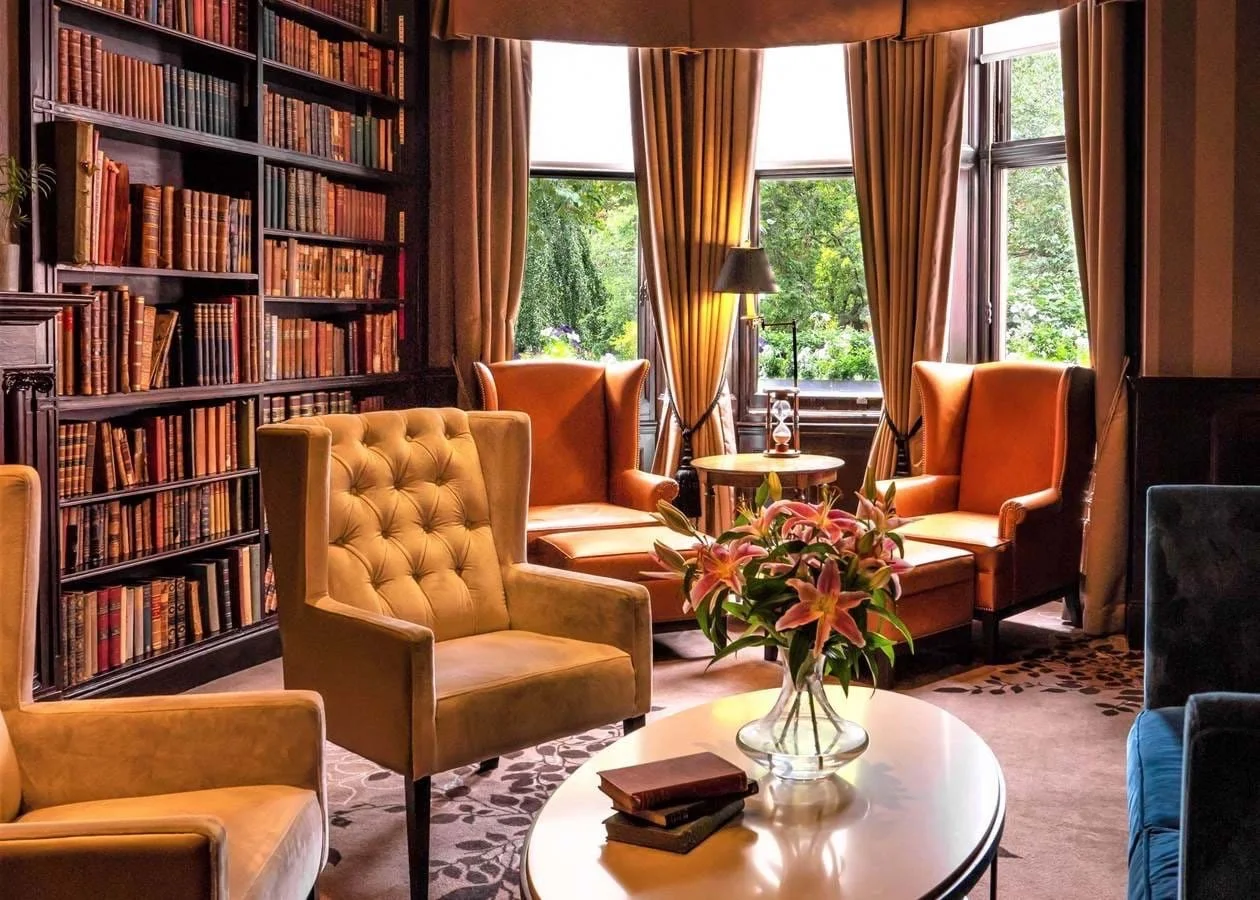
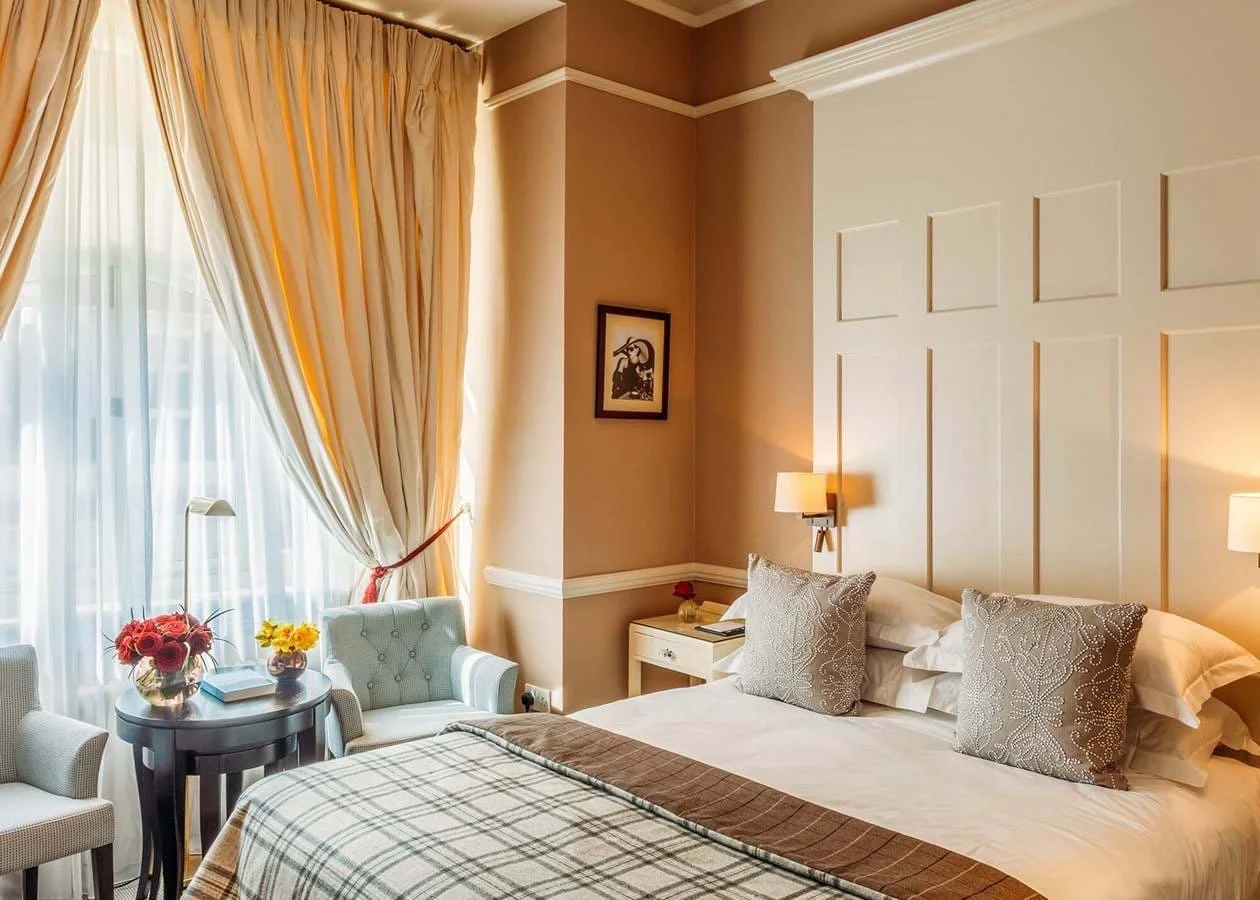
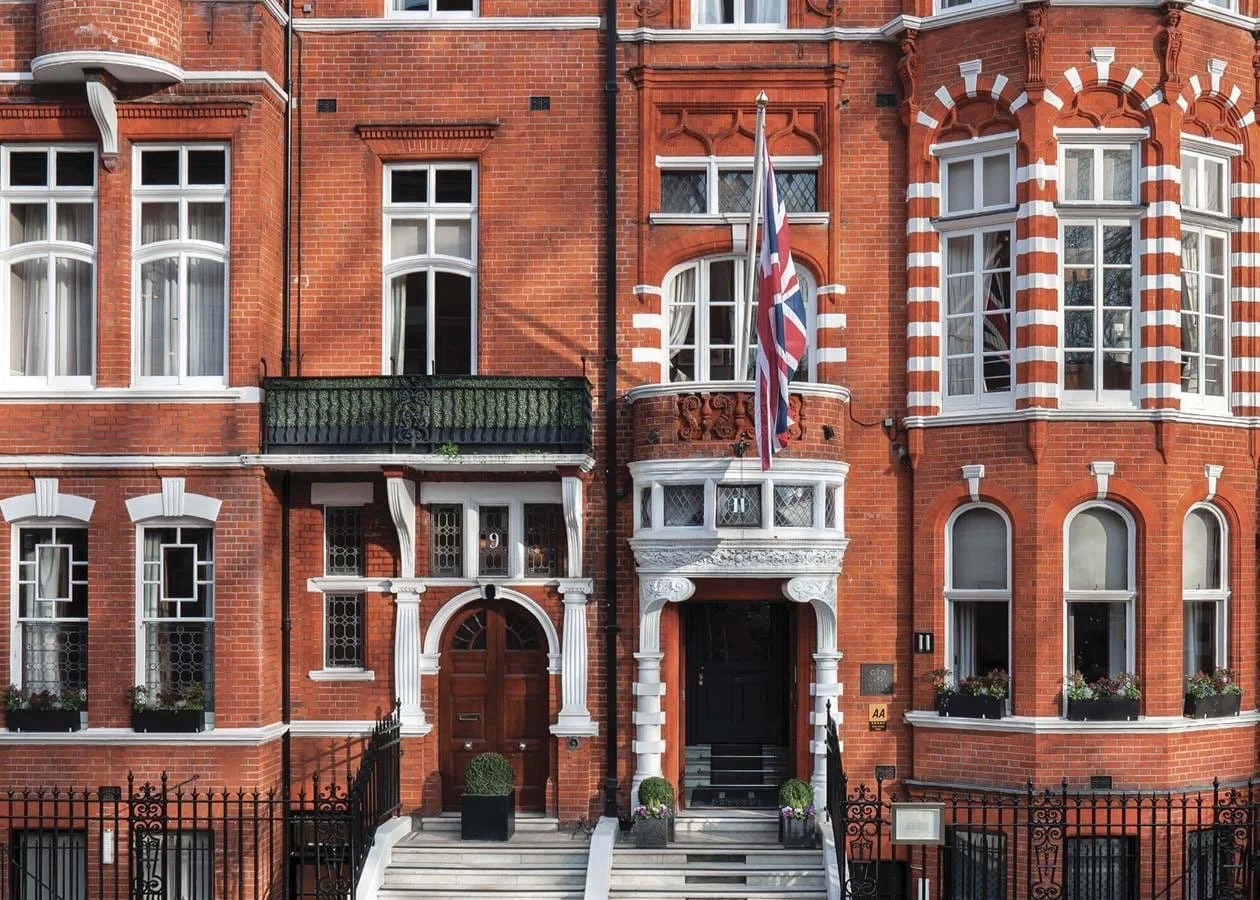
Tucked behind Sloane Square in one of London’s most coveted residential pockets, 11 Cadogan Gardens is housed in four adjoining Victorian townhouses with just 56 individually styled rooms and suites. It is one of only two Relais & Châteaux members in London: a distinction that signals a particular standard of discretion, personalised service and considered detail.
The private garden, a genuine rarity in central London, makes it ideal in summer, and the proximity to the Saatchi Gallery, the King’s Road and the V&A means there is always something within walking distance worth the afternoon.
Five Georgian townhouses on Gower Street, combined into a single 50-room boutique hotel and refurbished by Alexandra Champalimaud with a nod to the Bloomsbury Set who lived and argued and wrote in these streets a century ago: The Academy is the sort of hotel that makes a neighbourhood feel like a discovery rather than a destination. The wood-panelled library, the intimate Alchemy Bar, the courtyard for evening drinks in the sun, all of it contributes to an atmosphere that is more private members’ club than conventional hotel.
The British Museum is a seven-minute walk; so are several of London’s best independent bookshops. For anyone visiting London for its intellectual and cultural life rather than its shopping, The Academy has the rare quality of feeling exactly right for the purpose.
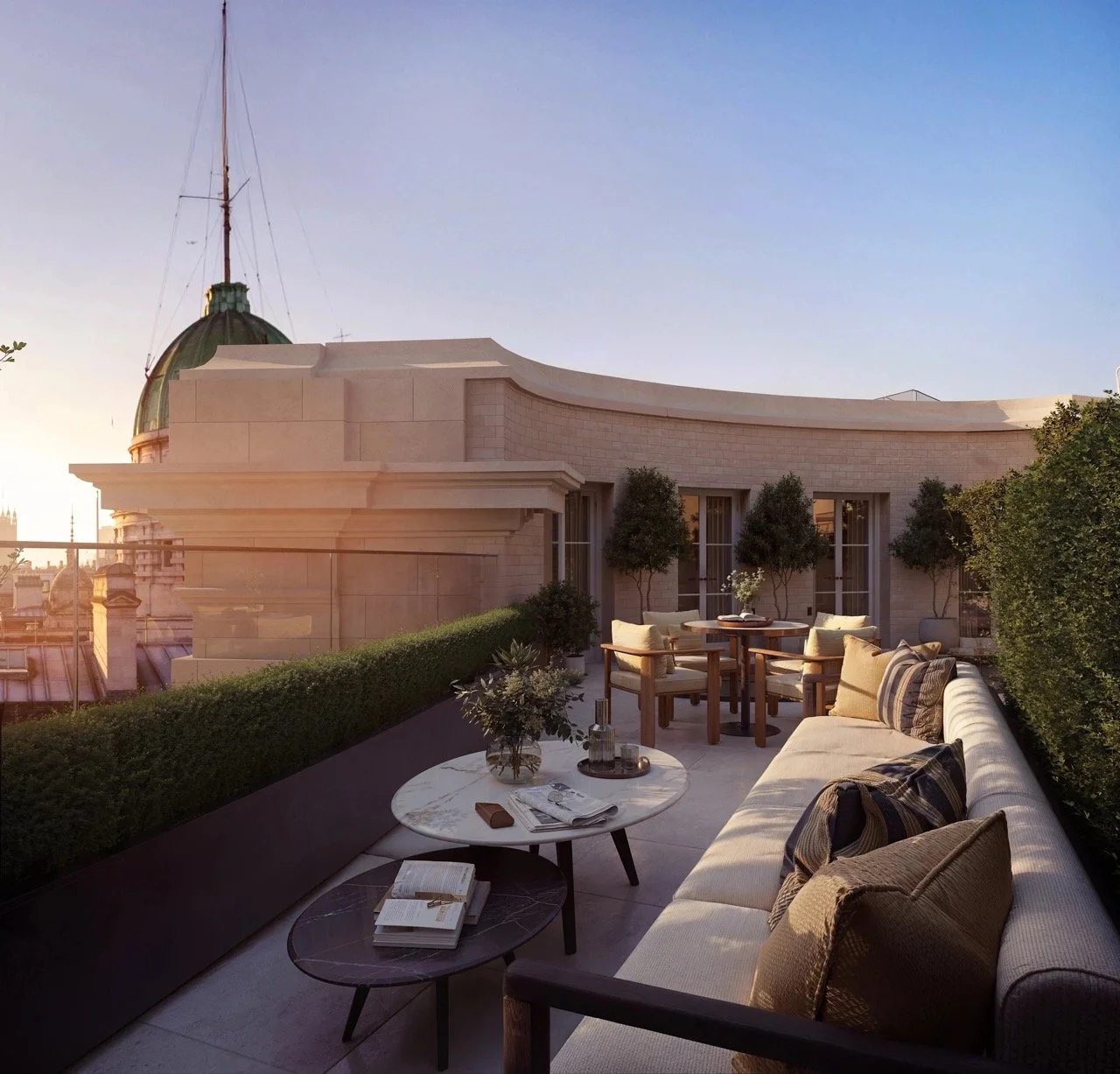
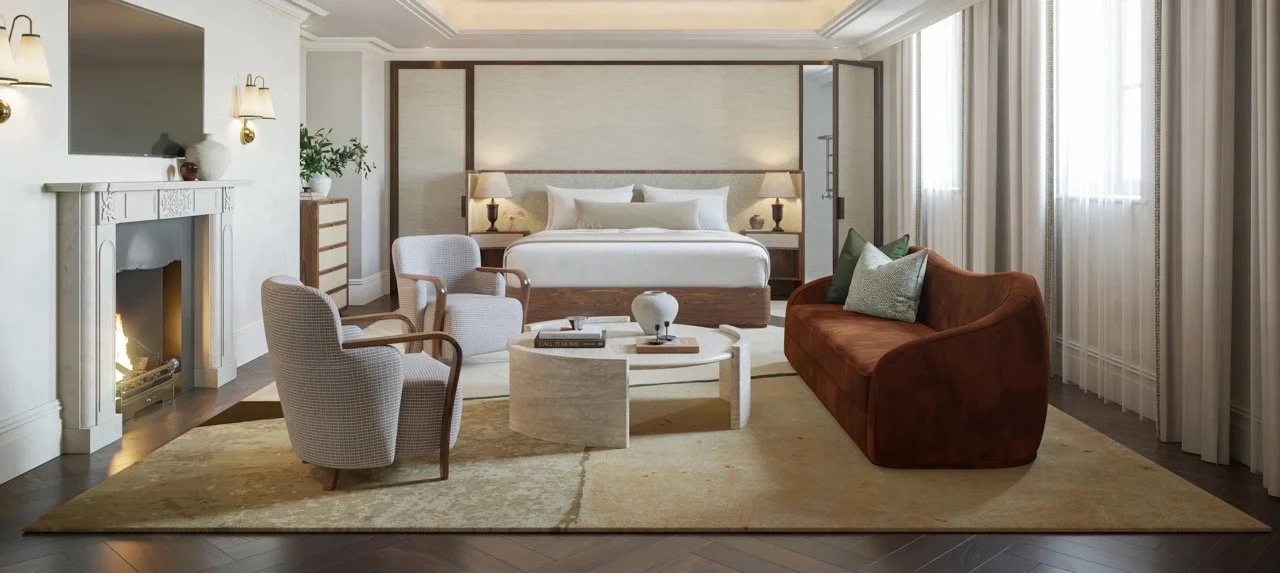
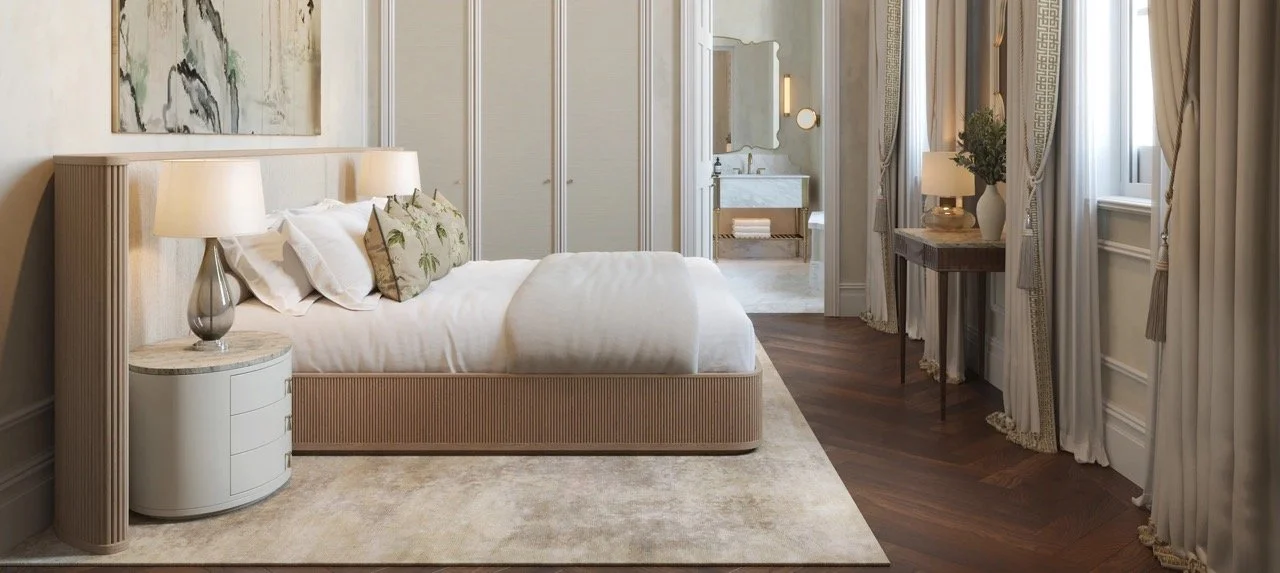
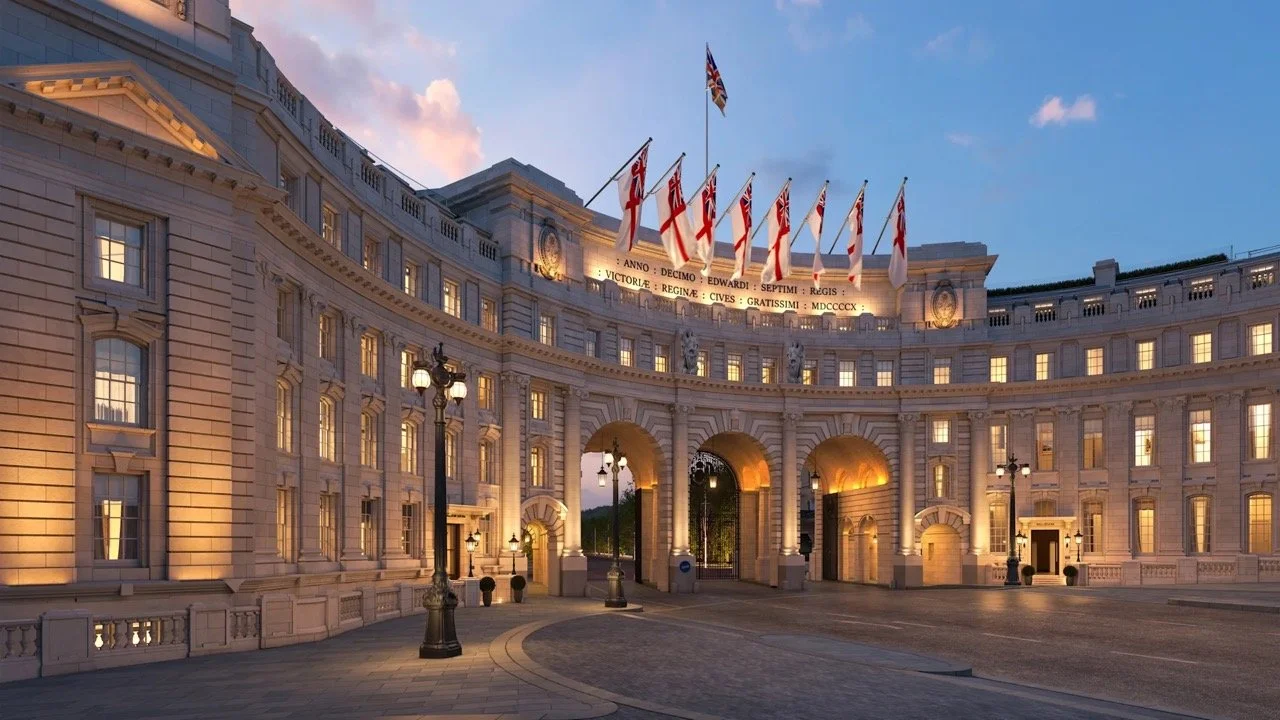
This is the one that has been generating conversation since it was first announced, and the reality, opening late summer 2026, promises to justify the anticipation. Directly facing Buckingham Palace and framing the view towards Trafalgar Square, the building was originally commissioned by King Edward VII in memory of Queen Victoria and designed by Sir Aston Webb, it has served government and ceremonial functions for over a century. Winston Churchill had his office here. Ian Fleming worked within its walls.
Its transformation into a 100-room luxury hotel by the Waldorf Astoria brand is, by any measure, one of the most significant hotel openings in Europe this decade. The dining proposition is extraordinary: chef partners Clare Smyth and Daniel Boulud, who hold seven Michelin stars between them, have created Coreus and Café Boulud respectively within the hotel's restaurant spaces. The rooftop brasserie, a ballroom and a spa complete the picture.