UNESCO Just Gave 6 MENA Landmarks World Heritage Status
UNESCO's World Heritage Committee wrapped its 48th session in Busan on July 29, inscribing roughly 25 new sites onto the World Heritage List globally, six of them right here in MENA. It's a strong showing for the region, spanning coastlines, mountains, and centuries-old villages, each recognised for the kind of significance that puts a place on the map for good.
Sidi Bou Said in Tunisia is the standout for anyone chasing an aesthetic, a cliffside village of blue-and-white streets built around a 12th-century Sufi saint's tomb, and a muse for artists for over a century. Aqaba Marine Reserve in Jordan protects the world's northernmost tropical coral reef, home to over 150 coral species and 500-plus species of fish, having adapted to warm, salty waters over roughly 10,000 years, a serious win for the region's dive scene.
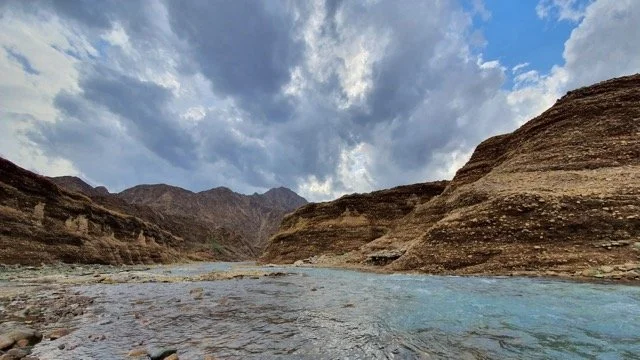
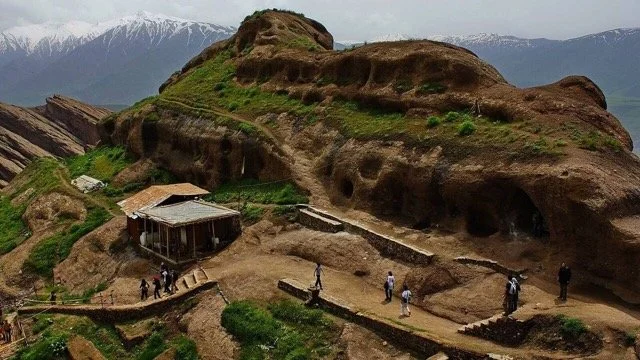
Wadi Wurayah in Fujairah is now the UAE's first natural World Heritage property, a 22,000-hectare reserve in the Hajar Mountains holding over 1,099 recorded species and rare freshwater pools tucked into an otherwise arid landscape. Alamut Castle and Related Fortifications in Iran's Qazvin province brings seven fortified sites into the fold, the real historical seat of the Nizari Ismailis, and the basis for centuries of legend that's inspired everything from medieval chronicles to modern pop culture.
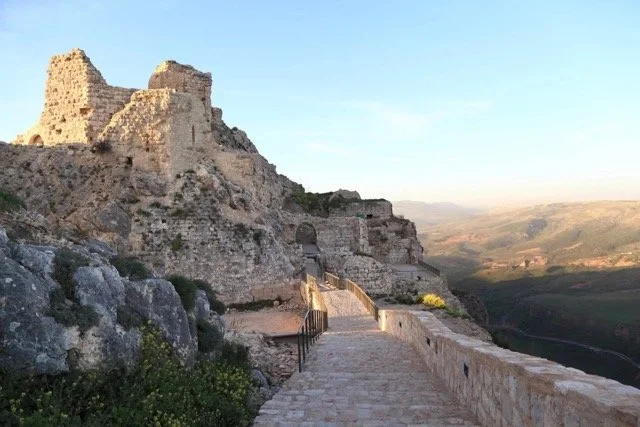
Rounding out the list, Mount Amel Castles in southern Lebanon, five interconnected fortifications spanning centuries of architecture, and Sebastia near Nablus, continuously inhabited since the 9th century BCE, both bring deep, layered history into UNESCO's global record. Altogether, it's a great year for the region's heritage recognition, with sites now protected and celebrated for generations to come.