There was a time, not that long ago, when pulling up in a Chinese car in the Gulf read as a compromise, not a choice. That era is over. The Middle East imported $7.4 billion worth of Chinese EVs in 2025, up 92% year-on-year, with the UAE alone accounting for $3.5 billion of it. Chinese brands now hold 16% of new car sales in Saudi Arabia and 15% in the UAE, numbers that were a rounding error two years ago.
Who's winning showroom space: BYD leads on volume (the Atto 3 is the UAE's best-selling Chinese EV, plus a luxury sub-brand doing real status-symbol work); Nio went premium with serious backing — Abu Dhabi's CYVN Holdings has put over $3B into it since 2023; Zeekr is chasing buyers who'd have defaulted to a German badge five years ago; and infrastructure players like Yutong are building out EV bus manufacturing in Qatar.
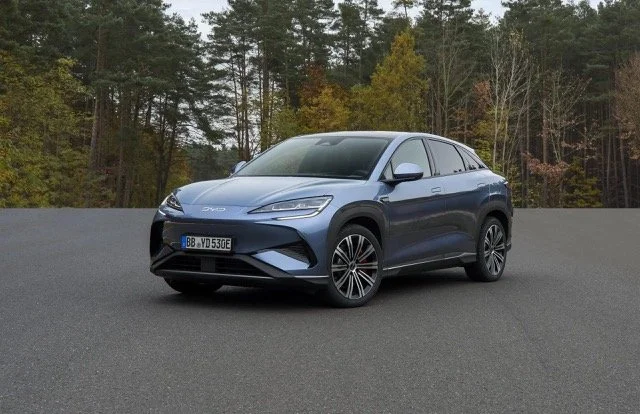
Why now: price and spec are part of it, but the bigger unlock is charging infrastructure (ADNOC's 20-minute fast chargers, Dubai's 600 planned superfast stations, Saudi's 5,000-charger target by 2030) plus sovereign-level buy-in that effectively vouches for these brands.
The actual story: the Gulf's car culture has always been about legibility. What your car says before you do. That signal used to run through a narrow set of German badges, inherited and closed-book. Now a 24-year-old posting a Zeekr isn't performing inheritance, they're performing taste and being early, the same instinct driving streetwear and niche fragrance culture. Chinese EVs are landing exactly when “I found this first” got more valuable than “I inherited this.”